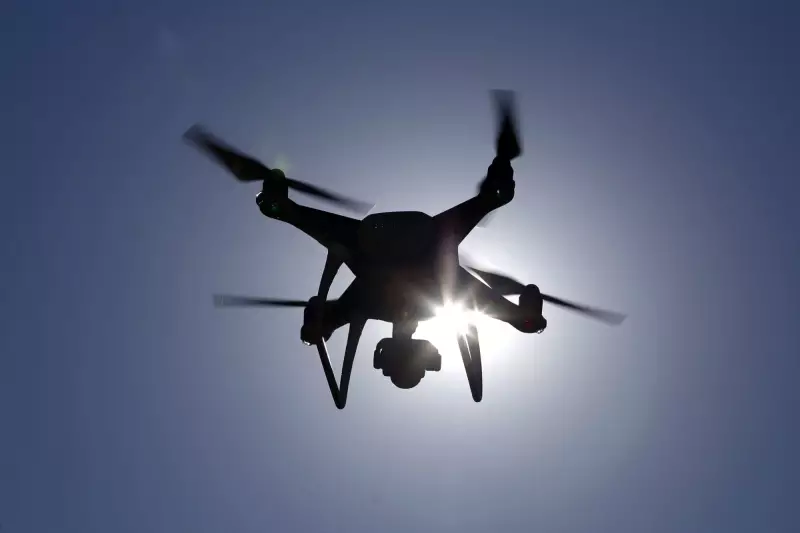
North Korean state media has issued a fresh accusation against its southern neighbor, alleging that a South Korean drone illegally entered its airspace earlier this month. The reported incident occurred on January 4, 2026, marking another point of friction on the heavily fortified Korean Peninsula.
Allegations of Airspace Infringement
According to a report monitored by Reuters, North Korea's official news service stated that the unmanned aerial vehicle from South Korea crossed into its territory. The announcement did not provide specific details regarding the drone's flight path, altitude, or duration within the contested zone. This allegation follows a pattern of similar claims and counter-claims between the two nations, which technically remain at war since their 1950-53 conflict ended with an armistice, not a peace treaty.
Context of Rising Tensions
The accusation comes amid a period of heightened military activity and diplomatic stalemate in the region. Both Koreas have significantly advanced their drone surveillance and reconnaissance capabilities in recent years. Incursions, whether real or perceived, are treated with extreme seriousness due to the constant risk of escalation. Pyongyang's decision to publicize the event several days after it allegedly occurred, on January 9, 2026, suggests a potential political or rhetorical motive behind the timing of the disclosure.

Regional and International Implications
Such incidents are closely watched by international observers and allies of both nations, including the United States, which stations troops in South Korea. Any airspace violation carries the risk of a military miscalculation. As of now, there has been no immediate public response from authorities in Seoul regarding the specific allegation made for January 4. Analysts typically scrutinize these reports carefully, as they can serve as pretexts for North Korea to justify its own military tests or to apply pressure in dormant negotiations.
The situation underscores the fragile state of inter-Korean relations and the persistent threat of instability in Northeast Asia. The international community continues to urge restraint and dialogue to prevent minor incidents from spiraling into greater conflict.