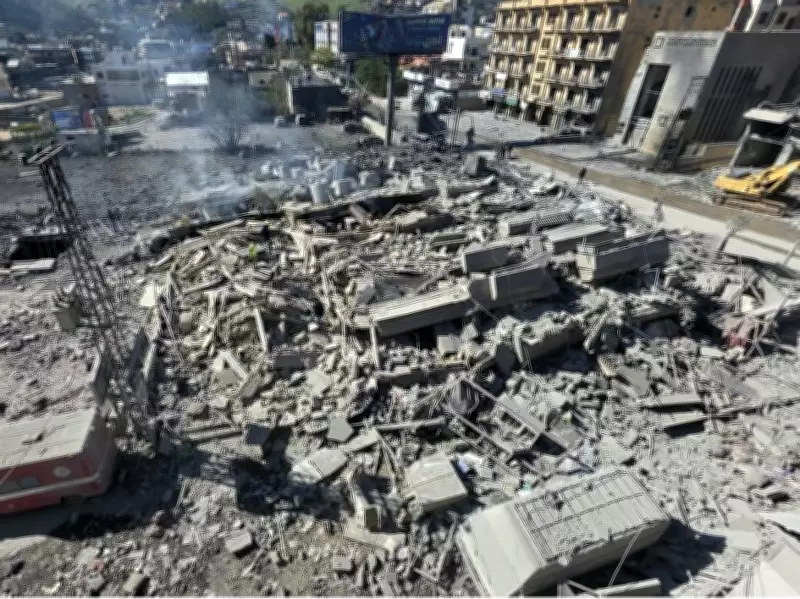
Middle East Conflict Intensifies on Sixth Day of Hostilities
The ongoing war in the Middle East has escalated dramatically as it enters its sixth consecutive day of intense fighting. Iranian forces have launched additional missile attacks targeting Israel, while the Israeli military has responded with significant airstrikes against Hezbollah positions in Lebanon. The situation remains highly volatile with mounting casualties and widespread displacement of civilians across the region.
Israeli Defense Systems Activated Against Iranian Missiles
Israeli defense authorities confirmed on Thursday that their missile interception systems were actively engaged in countering multiple incoming attacks from Iranian forces. The Israeli military reported successfully intercepting several missiles aimed at strategic locations within Israeli territory. This latest exchange represents a significant escalation in the direct confrontation between Iran and Israel, marking one of the most serious military engagements between the two nations in recent years.
The conflict has expanded beyond the initial theater of operations, with fighting now spreading to multiple fronts across the region. Military analysts note that the scale and intensity of these exchanges suggest a potential for further escalation that could draw in additional regional actors and international powers.

Lebanon Suffers Heavy Casualties from Israeli Airstrikes
The Lebanese Health Ministry has reported devastating human costs resulting from Israeli military operations against Hezbollah targets. According to official statements released on Thursday, the death toll in Lebanon has risen to at least 77 people, with 527 others sustaining injuries since hostilities intensified earlier this week. Health authorities confirmed that among the fatalities were seven children, though the exact number of civilian casualties remains undetermined.
The humanitarian situation in Lebanon continues to deteriorate rapidly, with more than 83,000 people displaced from their homes due to the renewed conflict. Emergency shelters are reportedly overwhelmed as infrastructure damage compounds the challenges facing relief organizations attempting to provide assistance to affected populations.
Israeli Military Targets Hezbollah Command Centers in Beirut
The Israeli Air Force conducted precision strikes against multiple Hezbollah command centers located in the Lebanese capital of Beirut. Military officials stated that these intelligence-based operations specifically targeted facilities used by Hezbollah's aerial unit and other command structures. According to Israeli defense authorities, these centers were actively being used to coordinate attacks against both Israeli military personnel and civilian populations.
Residents throughout Beirut reported hearing multiple explosions as airstrikes rocked the city on Thursday. The exact extent of damage to infrastructure and potential collateral casualties remains unclear as assessment teams work to evaluate the aftermath of the military operations.
Iran Claims Responsibility for Attack on American Oil Tanker
In a separate development that further complicates the regional security situation, Iran's Revolutionary Guard has officially claimed responsibility for an attack on an American oil tanker operating in the northern Persian Gulf. The announcement, broadcast on Iranian state television, provided limited details about the specific incident but appears connected to earlier reports of a tanker being targeted off the coast of Kuwait.
Maritime security organizations, including the United Kingdom Maritime Trade Operations centre, had previously issued alerts regarding suspicious activity and potential threats to commercial shipping in the region. This attack on international shipping lanes raises concerns about the conflict's potential to disrupt global energy supplies and maritime trade routes.

Canada Considers Potential Military Involvement in Conflict
Prime Minister Mark Carney has indicated that Canada cannot categorically rule out potential military participation in the escalating Middle East conflict. During a joint news conference with Australian Prime Minister Anthony Albanese in Canberra, Carney addressed questions about Canada's possible future involvement, describing the situation as a "fundamental hypothetical" given the conflict's potential to spread rapidly across the region.
"One can never categorically rule out participation," Carney stated. "We will stand by our allies when it makes sense. There's a distinction between the offensive actions that were taken and are being taken by the United States and Israel, that were taken by them without consultation with Canada, with other allies, and we're not party to those actions. But we will always defend Canadians, we will always stand by and defend our allies when called upon."
The Prime Minister's comments suggest that while Canada has not been directly consulted about current military operations, the government maintains the option of participating in defensive actions should the situation require allied response. This position reflects Canada's traditional approach to international conflicts while acknowledging the unique complexities of the current Middle East crisis.
The international community continues to monitor developments closely as diplomatic efforts to de-escalate the situation face significant challenges amid ongoing military engagements. With casualties mounting and the conflict showing signs of expanding geographically, concerns grow about the potential for broader regional destabilization and humanitarian catastrophe.