A tragic aviation incident has claimed the lives of Libya's top military commander and four other individuals. The plane crash occurred shortly after the aircraft departed from Turkey on Tuesday, December 23, 2025.
Details of the Fatal Incident
The Libyan Chief of General Staff, General Mohamed Ali Ahmed El Haddad, was confirmed among the fatalities. The crash happened not long after the plane took off from Turkish territory. The exact location and cause of the crash are under investigation by relevant authorities.
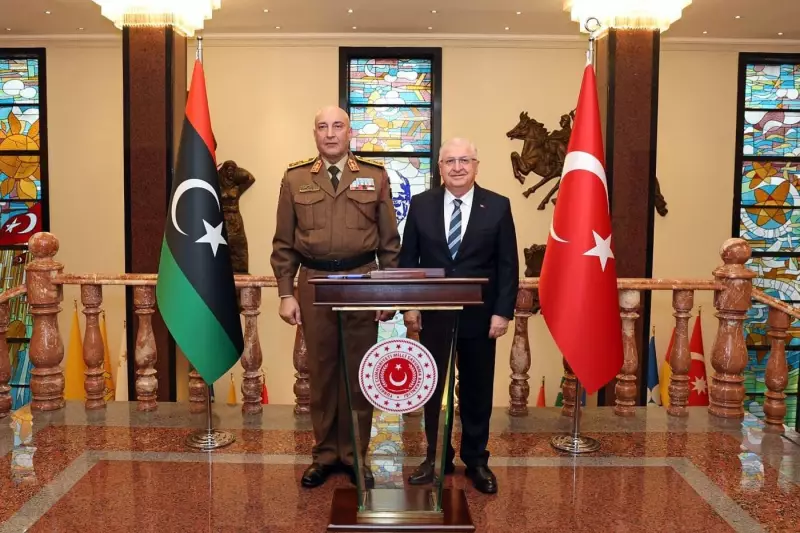
Earlier on the same day, General El Haddad had been photographed meeting with his Turkish counterpart, General Selcuk Bayraktaroglu, in the capital city of Ankara. The Turkish Defense Ministry released an image of the two military leaders posing together during their discussions.

Immediate Aftermath and Investigation
The news was reported by The Associated Press, with updates provided throughout the afternoon of December 23rd. The initial report was published at 3:53 PM Eastern Standard Time, with a follow-up at 4:49 PM EST as more information became available.
While the identities of the other four victims have not been immediately disclosed, the loss of General El Haddad represents a significant blow to the Libyan military establishment. His meeting in Ankara suggests the trip was part of official diplomatic or defense-related engagements between the two nations.
Regional and International Implications
This incident is likely to have profound consequences for Libya's internal security structure and its international military partnerships. The sudden death of a nation's highest-ranking military officer creates immediate uncertainty in command and continuity.
Aviation and military investigators from both Turkey and Libya are expected to collaborate closely to determine the technical or human factors that led to this catastrophic event. The focus will be on the aircraft's condition, flight data, and weather circumstances at the time of departure.
The international community, particularly nations involved in Libyan affairs, will be monitoring the situation closely. The stability of Libya has been a persistent concern, and the loss of its military chief introduces a new variable into an already complex geopolitical landscape.