The Kremlin has publicly aligned itself with former U.S. President Donald Trump's assertion that Ukraine is the primary obstacle to a negotiated peace agreement to end the ongoing war. This significant diplomatic statement was made on Thursday, January 15, 2026, against a backdrop of continued violence, including a Russian drone strike on a children's playground in western Ukraine.
Moscow Echoes Trump's Criticism of Kyiv
Russian officials stated their agreement with Trump's position that the government in Kyiv is holding up a potential settlement to the conflict. This endorsement injects a new dimension into the geopolitical discourse surrounding the war, directly supporting a narrative often advanced by Trump and his allies. The Kremlin's comments suggest a strategic attempt to influence international opinion and pressure Ukrainian leadership by framing them as unwilling to engage in peace talks.
The timing of the statement is notable, coming as the war approaches another grim milestone. By publicly agreeing with a leading American political figure, Moscow appears to be testing diplomatic waters and shaping the preconditions for any future negotiations.

Strike in Lviv Underscores Ongoing Conflict
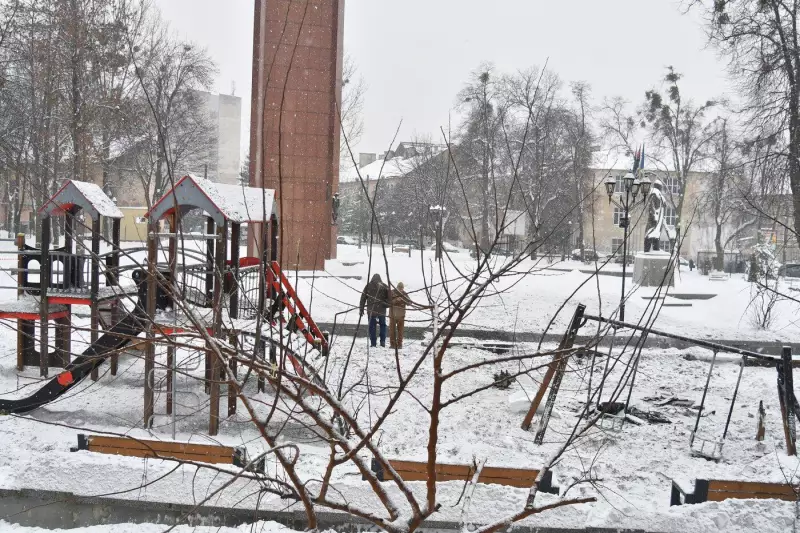
Even as diplomatic messages were exchanged, the brutal reality of the war was on stark display. On the same day, Thursday, January 15, 2026, a Russian drone struck a children's playground in the city of Lviv, located in western Ukraine.
The attack occurred near a monument to Stepan Bandera, a controversial historical figure who led a rebel army against the Soviet regime. The strike, which damaged civilian infrastructure in an area far from the front lines, exemplifies the continued targeting of Ukrainian cities and serves as a grim counterpoint to the political statements emanating from Moscow.
Implications for Future Diplomacy and War
The Kremlin's decision to side with Trump's viewpoint places additional strain on Ukraine's international diplomatic efforts. It creates a public relations challenge for Kyiv, which must simultaneously rebut this narrative while managing the devastating humanitarian and military situation on the ground.
This development raises critical questions about the future path to peace. It highlights the deep chasm between the warring parties' stated positions and the conditions they demand for a ceasefire. With Russia now explicitly backing a political narrative popular in certain Western circles, the prospects for a swift diplomatic resolution appear increasingly complex. The situation underscores that any potential peace deal will be contingent not only on battlefield outcomes but also on the volatile landscape of international politics and perception.