Japan and Australia have issued a joint call for calm and restraint following a serious military incident in the East China Sea. The diplomatic appeal comes after a Chinese warship directed its fire-control radar at Japanese fighter jets, an action considered highly provocative and potentially dangerous.
The Incident in the East China Sea
The event, which took place recently, involved a People's Liberation Army Navy vessel. According to reports, the ship used its fire-control radar to "lock on" to Japanese Self-Defense Force fighter aircraft. A radar lock is a significant escalation in military encounters, as it signifies the targeting systems are actively preparing for potential weapons deployment. Such actions dramatically increase the risk of miscalculation or accidental conflict.
While the exact date and precise location within the contested East China Sea were not detailed in the initial alert, the incident underscores the ongoing volatility in the region. These waters are a frequent flashpoint, particularly around the Senkaku Islands, which Japan administers but China also claims under the name Diaoyu.

Diplomatic Calls for De-escalation
In response to the radar lock, Japanese and Australian officials coordinated their diplomatic response. Both nations publicly urged all parties to exercise caution and avoid actions that could heighten tensions. The call for calm reflects shared concerns among U.S. allies in the Indo-Pacific about China's increasingly assertive military posture and operational behavior.
The incident is not an isolated one. Similar dangerous encounters, including close passes by aircraft and ships, have occurred in the past. However, the use of fire-control radar represents a more direct and threatening form of military pressure. Australia's alignment with Japan in this matter highlights the growing strategic cooperation between democracies in the region aimed at maintaining a rules-based order and stability.
Broader Regional Security Implications
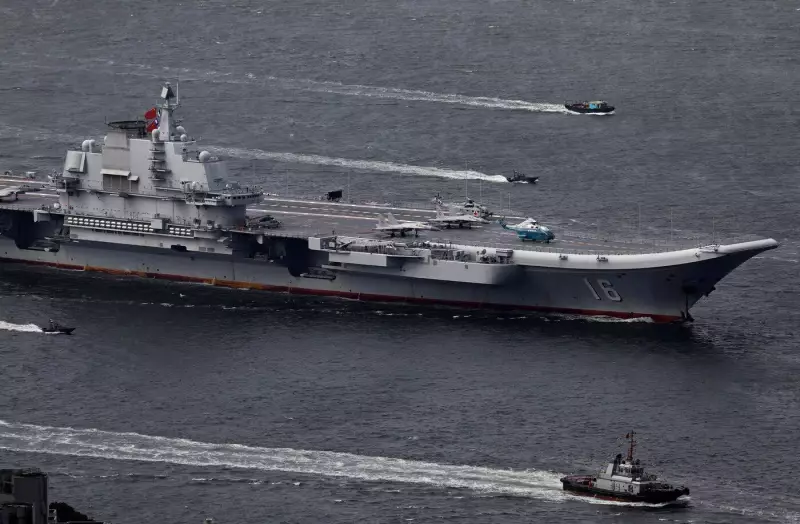
This latest confrontation occurs against a backdrop of heightened Chinese military activity near Taiwan and in the South China Sea. The presence of advanced assets, such as aircraft carriers like the Liaoning, which made a port call in Hong Kong in 2017, amplifies regional security anxieties. Analysts warn that frequent, aggressive interactions increase the chance of an accident spiraling into a broader crisis.
The diplomatic fallout from the radar lock incident is likely to continue. It is expected to be a topic of discussion in future security dialogues involving Japan, Australia, the United States, and other regional partners. The core message from Tokyo and Canberra is clear: military professionalism and adherence to international norms are essential to prevent unintended escalation in one of the world's most strategically critical waterways.