Israel Escalates Attacks on Lebanon, Prompting Iranian Warnings and Ceasefire Doubts
On Wednesday, Israel unleashed its most intense military strikes on Lebanon to date, resulting in the deaths of hundreds of people. This aggressive move has provoked a stark threat of retaliation from Iran, which has declared it "unreasonable" to proceed with planned peace negotiations with the United States. The escalation underscores the persistent volatility in the region, despite a recent ceasefire announcement.
Ceasefire Confusion and Contrasting Agendas
Iran's lead negotiator and parliament speaker, Mohammed Bager Qalibaf, issued a warning highlighting the fragility of the situation. He pointed out that Israel has violated several ceasefire conditions by intensifying its campaign against Hezbollah, an Iran-aligned militia in Lebanon. Simultaneously, the U.S. has breached the agreement by demanding Iran abandon its nuclear ambitions. Qalibaf emphasized that under these circumstances, a bilateral ceasefire or negotiations were not feasible.
In response, both Israel and the United States clarified that the two-week ceasefire did not extend to Lebanon. Israeli Prime Minister Benjamin Netanyahu affirmed that the strikes would persist, stating Israel had its "finger on the trigger" and was ready to resume fighting at any moment. U.S. Vice President JD Vance, leading the American delegation, noted that Iran mistakenly believed the ceasefire included Lebanon, a misconception he addressed in Budapest.

Nuclear Disputes and Regional Power Shifts
The core disputes between the U.S. and Iran remain unresolved, particularly regarding Iran's nuclear program. Former President Donald Trump claimed Iran had agreed to halt uranium enrichment, with the White House indicating Iran would surrender its existing stocks. However, Qalibaf countered that Iran is permitted to continue enrichment under the ceasefire terms. This disagreement highlights the deep divisions that could shape the Middle East for generations.
Despite both sides declaring victory in the five-week conflict that has claimed thousands of lives, the war has already altered regional power dynamics. Iran demonstrated its ability to disrupt Gulf energy supplies by closing the Strait of Hormuz to unauthorized vessels, despite extensive U.S. military investments. This has led to significant economic repercussions, with global stock indexes surging and oil prices plunging 14% to around $95 per barrel, though Brent crude remains $25 higher than pre-conflict levels.
Humanitarian Toll and International Reactions
Lebanon's civil defense service reported 254 fatalities from Israel's strikes on Wednesday, with Beirut suffering the highest toll of 91 deaths. Residents described some attacks occurring without prior warnings for civilian evacuation. In retaliation, Hezbollah fired rockets into northern Israel, citing ceasefire violations.
International condemnation followed swiftly. French President Emmanuel Macron strongly condemned what he termed indiscriminate Israeli attacks on Lebanon, urging that Lebanon be fully covered by the ceasefire. Leaders from 13 European countries, Japan, and Canada issued a joint statement welcoming the ceasefire but calling for a rapid end to hostilities to prevent a severe global energy crisis. Additionally, Iran targeted oil facilities in Gulf nations like Saudi Arabia, with Kuwait, Bahrain, and the UAE reporting missile and drone strikes.
Economic and Political Fallout
The conflict has triggered notable economic shifts and political maneuvers. Trump announced new tariffs of 50% on goods from countries supplying arms to Iran, though he lacks the authority to enforce such measures. In Iran, crowds celebrated in the streets, waving flags and burning those of the U.S. and Israel, yet there was underlying wariness about the durability of any deal.
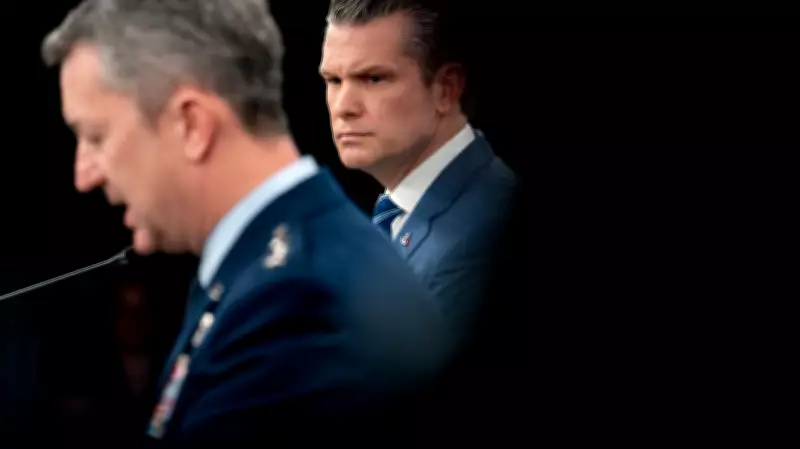
U.S. Defense Secretary Pete Hegseth asserted a decisive military victory for Washington, but Iran retains its stockpile of highly enriched uranium and missile capabilities. The clerical leadership in Iran has withstood the superpower assault without signs of internal collapse, despite previous mass protests. As the region grapples with these developments, the path to lasting peace remains fraught with uncertainty and potential for further escalation.