Israeli Military Strikes Gaza, Resulting in 21 Fatalities Including Women and Children
The ongoing conflict between Israel and Hamas has escalated once again, with Israeli forces conducting airstrikes in the Gaza Strip that have claimed the lives of 21 individuals. Among the deceased are women and children, highlighting the severe humanitarian toll of the violence. The strikes were launched after Israeli authorities asserted that Hamas had breached the terms of a previously negotiated deal, though specific details of the alleged violation were not immediately disclosed.
Details of the Attack and Casualties
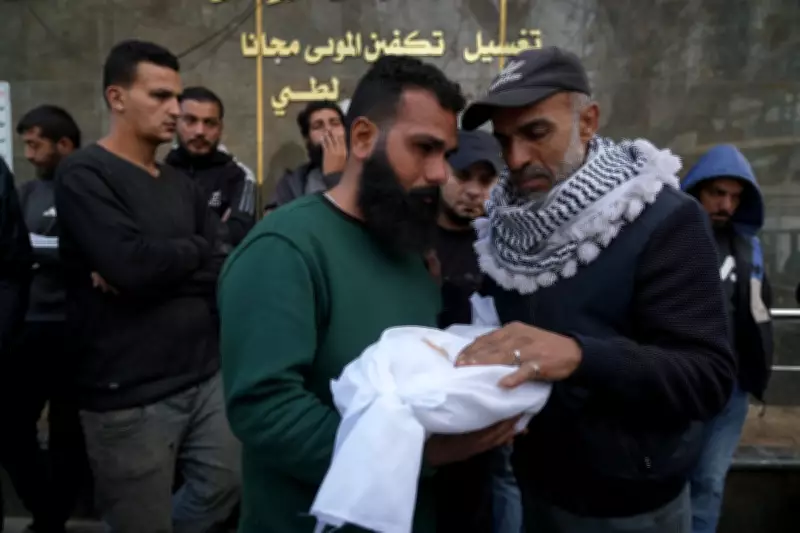
The attack targeted areas in Gaza City, with one particularly tragic incident occurring at Shifa Hospital. Palestinian Raed al-Khabba was photographed carrying his three-month-old daughter, Mira al-Khabbaz, who was killed in the strike. This image underscores the devastating impact on civilian populations, especially the most vulnerable. The Israeli military has not commented on the specific targets or the justification for the civilian casualties, but it maintains that the operation was a direct response to Hamas's actions.
Background of the Israel-Hamas Conflict
The Israel-Hamas war has been characterized by periodic flare-ups of violence, often following breakdowns in ceasefire agreements. This latest incident comes amid a broader context of regional instability and international diplomatic efforts to broker peace. The conflict has deep historical roots, involving territorial disputes, political tensions, and security concerns on both sides. The use of airstrikes by Israel is a common tactic in response to perceived threats from Hamas, which controls the Gaza Strip and is designated as a terrorist organization by several countries, including Israel and the United States.

International Reactions and Humanitarian Concerns
Humanitarian organizations have expressed alarm over the rising death toll and the targeting of civilian infrastructure. The United Nations and other global bodies have called for an immediate cessation of hostilities to prevent further loss of life. The situation in Gaza is particularly dire due to ongoing blockades and economic hardships, which exacerbate the effects of military actions. International observers are urging both parties to return to negotiations and adhere to international law to protect non-combatants.
Implications for Regional Stability
This escalation threatens to derail fragile peace processes and could lead to broader regional instability. Neighboring countries and international allies are closely monitoring the situation, with some calling for renewed diplomatic initiatives. The conflict's impact extends beyond immediate casualties, affecting regional economies, migration patterns, and global security dynamics. As tensions persist, the risk of further violence remains high, underscoring the need for sustained international engagement to achieve a lasting resolution.