Intense Israeli Strikes Target Iran and Lebanon as U.S. Warns of Dramatic Surge
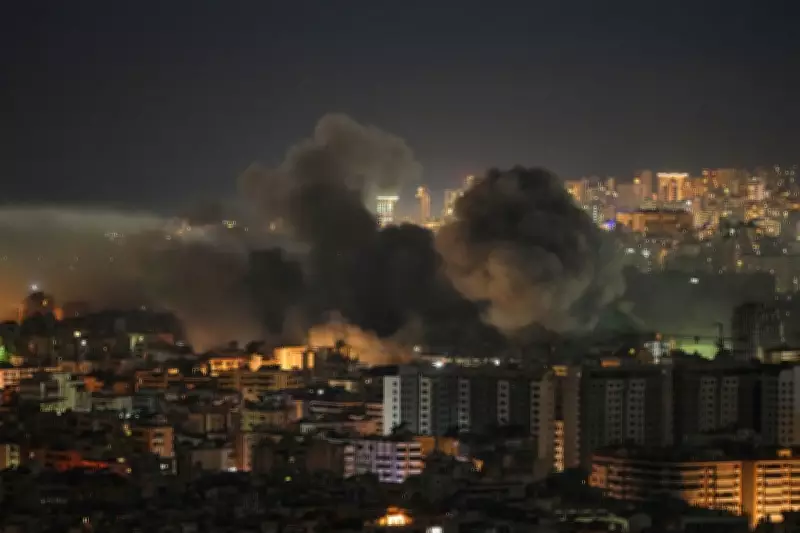
Israeli military forces have executed a series of intense strikes against targets in Iran and Lebanon, marking a significant escalation in regional hostilities. The United States has issued a stark warning, indicating that this bombardment is anticipated to surge dramatically in the coming days, heightening fears of a broader conflict.
Escalation in the Middle East
The strikes, which targeted military installations and infrastructure in both nations, represent a bold move by Israel amid ongoing tensions. According to reports, the attacks were precise and aimed at degrading capabilities perceived as threats. This action follows a period of heightened rhetoric and skirmishes that have plagued the region for months.
In response, Iranian officials have condemned the strikes as acts of aggression, vowing retaliation. Similarly, Lebanese authorities have expressed outrage, with concerns mounting over civilian safety and regional stability. The situation underscores the volatile nature of Middle Eastern geopolitics, where longstanding animosities often erupt into open conflict.

U.S. Involvement and Warnings
The United States, a key ally of Israel, has played a pivotal role in monitoring the situation. U.S. officials have publicly warned that the bombardment could intensify dramatically, urging all parties to exercise restraint. This warning highlights the potential for the conflict to spiral out of control, drawing in other nations and destabilizing global security.
Analysts suggest that the U.S. stance reflects a delicate balance between supporting Israel and preventing a full-scale war that could impact international oil markets and diplomatic relations. The Biden administration has emphasized the need for de-escalation, while also reaffirming its commitment to Israel's defense.
Regional and Global Implications
The strikes have sent shockwaves across the Middle East, with neighboring countries on high alert. There are fears that this could trigger a chain reaction of retaliatory attacks, exacerbating existing conflicts in Syria, Yemen, and beyond. The global community is closely watching, as any major escalation could have far-reaching consequences for peace and security.
Furthermore, the timing of these strikes coincides with other geopolitical developments, such as U.S.-Venezuela diplomatic shifts and domestic issues in Canada, but the focus remains squarely on the Middle East. Experts warn that without immediate diplomatic intervention, the region could descend into a prolonged and devastating war.
Looking Ahead
As tensions mount, the international community is calling for urgent dialogue and conflict resolution measures. The United Nations and other organizations are likely to convene emergency sessions to address the crisis. Meanwhile, civilians in affected areas brace for potential further attacks, hoping for a swift end to the violence.
In summary, the intense Israeli strikes on Iran and Lebanon, coupled with U.S. warnings of a dramatic surge, have plunged the Middle East into a critical phase of uncertainty. The world watches anxiously, aware that the next moves could define regional dynamics for years to come.