Israeli Military Personnel Implicated in Gaza Smuggling Scheme
A significant legal development has emerged from the Middle East, where a dozen people, including members of the Israeli military, have been formally charged with smuggling goods into the Gaza Strip. This case highlights ongoing complexities in the region's security and humanitarian operations.
The charges follow investigations into illicit activities at border crossings, raising questions about oversight and enforcement protocols. The individuals accused are alleged to have bypassed established inspection procedures, potentially compromising the regulated flow of materials into Gaza.
Context of Humanitarian Aid and Security
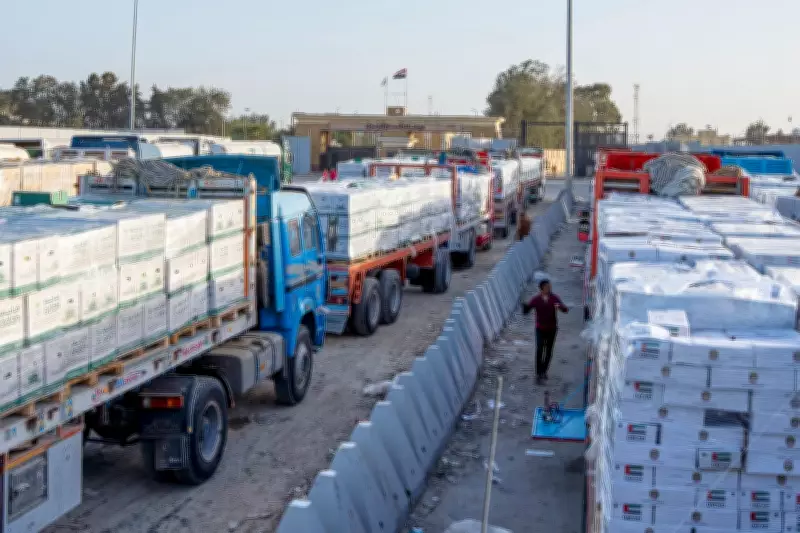
This incident occurs against a backdrop of stringent controls on goods entering Gaza, which is under a blockade enforced by Israel and Egypt, citing security concerns. Humanitarian aid deliveries, such as those processed at the Rafah crossing between Egypt and Gaza, are subject to rigorous checks by Israeli authorities to prevent the entry of items deemed dual-use or threatening.

The smuggling charges suggest vulnerabilities in these security measures, possibly involving collusion or negligence. Authorities have not disclosed the specific nature of the smuggled goods, but such cases often involve items restricted due to their potential military application or economic sanctions.
Implications for Regional Stability
This prosecution could strain relations between Israeli security forces and civilian authorities, underscoring internal challenges in maintaining border integrity. It also adds a layer of complexity to international efforts to provide humanitarian assistance to Gaza's population, where needs are acute due to prolonged conflict and economic hardship.
Observers note that smuggling incidents can exacerbate tensions, as they may be perceived as undermining peace initiatives or fueling illicit economies. The case is likely to prompt reviews of border management practices to prevent future breaches.
As legal proceedings advance, this story serves as a reminder of the intricate balance between security imperatives and humanitarian considerations in conflict zones. The outcome may influence policy adjustments aimed at enhancing transparency and accountability in cross-border operations.