Israel and US Escalate Attacks on Iran, Killing Over 25
In a significant escalation of hostilities, Israel and the United States carried out a series of coordinated attacks on Iran on Monday, resulting in the deaths of more than 25 individuals. The strikes targeted critical infrastructure, including the South Pars natural gas field, which is the world's largest and shared between Iran and Qatar. In response, Iran launched missile barrages at Israel and neighboring Gulf Arab states, prompting air defense activations across the region.
Widespread Destruction in Tehran and Beyond
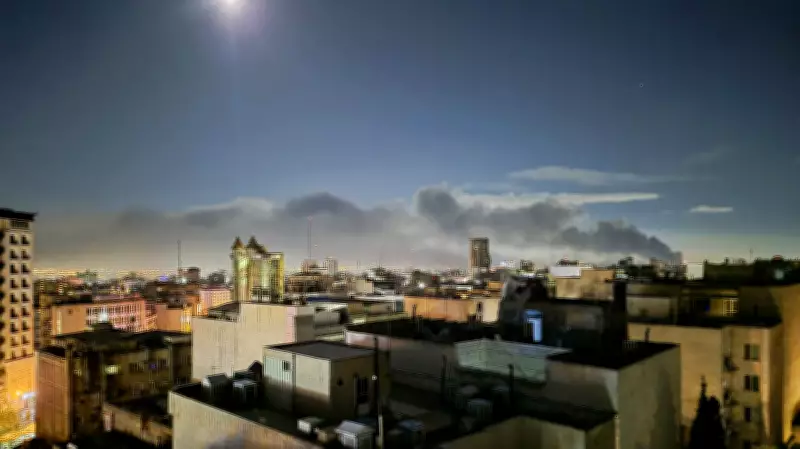
Explosions reverberated through Tehran for hours, with low-flying jets heard overhead as the capital endured heavy bombardment. Thick black smoke billowed near Azadi Square following an airstrike that hit the grounds of Sharif University of Technology. Among the casualties was Maj. Gen. Majid Khademi, the head of intelligence for Iran's paramilitary Revolutionary Guard, as confirmed by Iranian state media and Israel's defense minister.
Additional attacks struck the South Pars gas field, with Iranian media attributing the assault to both Israel and the U.S. Neither nation immediately claimed responsibility, but the incident follows earlier warnings from U.S. President Donald Trump about potential retaliation if Iran continued targeting Qatar's energy infrastructure.

Iranian Retaliation and Regional Fallout
Iran retaliated by firing missiles at the northern Israeli city of Haifa, where four people were found dead in the rubble of a residential building. Meanwhile, Kuwait, the United Arab Emirates, and Saudi Arabia activated their air defenses to intercept incoming Iranian missiles and drones. These actions underscore Tehran's ongoing pressure on its Gulf neighbors, which has contributed to soaring global energy prices due to disruptions in the Strait of Hormuz—a vital waterway for oil shipments.
Trump's Deadline and Ceasefire Efforts
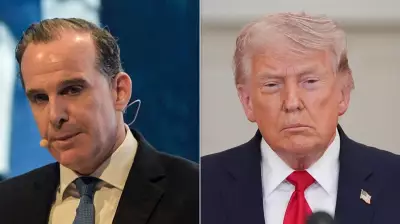
Amid growing domestic concerns, President Trump issued a deadline for Iran to reopen the Strait of Hormuz, threatening to target Iran's power plants and other infrastructure if no deal was reached by Monday night Washington time. He warned that failure to comply would result in severe consequences, stating, "Tuesday will be Power Plant Day, and Bridge Day, all wrapped up in one, in Iran."
In an attempt to de-escalate the conflict, mediators from Egypt, Pakistan, and Turkey have proposed a 45-day ceasefire and the reopening of the strait to allow time for diplomatic negotiations. European Council President António Costa emphasized the need for diplomacy, condemning attacks on civilian infrastructure as illegal and urging regional partners to lead peace efforts.
Human Toll and Broader Impact
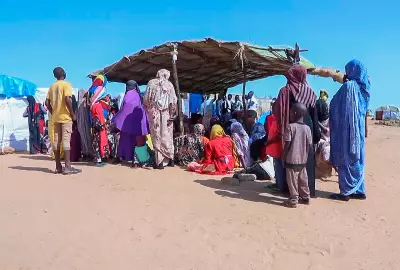
The war has inflicted a heavy human cost, with over 1,900 fatalities reported in Iran since hostilities began, though official figures have not been updated recently. In Lebanon, more than 1,400 people have been killed, and over a million displaced due to Israeli operations targeting Hezbollah militants. Casualties have also been reported in Gulf Arab states, the occupied West Bank, Israel, and among U.S. service members.
As tensions persist, Iran has maintained its stranglehold on shipping through the Strait of Hormuz, allowing only select vessels to pass and reducing overall traffic by more than 90% compared to last year. With Brent crude oil prices rising to $109, the conflict continues to destabilize global energy markets and regional security.