Israel Announces Killing of Iranian Intelligence Minister in Ongoing Conflict
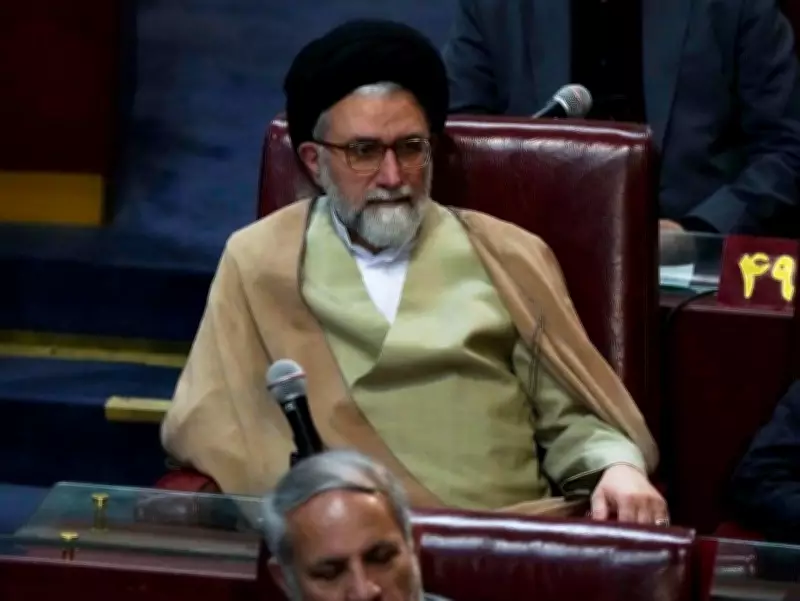
In a significant escalation of hostilities, Israel's Defense Minister, Israel Katz, confirmed on Wednesday that Iranian Intelligence Minister Esmail Khatib has been killed. This announcement comes amid a series of deadly strikes and attacks that have intensified the conflict between the two nations, with repercussions felt across the Middle East.
Series of High-Profile Deaths and Regional Strikes
The killing of Khatib follows closely on the heels of the confirmed death of top Iranian security official Ali Larijani, as reported by Iranian state media. Additionally, Gen. Gholam Reza Soleimani, the head of the Revolutionary Guard's Basij force, was also killed in overnight strikes. These events underscore the deepening violence that has gripped the region in recent weeks.
In the early morning hours, Iran launched attacks targeting itself and neighboring Gulf countries, while Israel conducted airstrikes that leveled an apartment building in central Beirut. According to the Lebanese Health Ministry, these strikes resulted in six fatalities and 24 injuries, with attacks on central Beirut becoming increasingly frequent and unpredictable, often occurring without prior warning.

Mounting Casualties and Infrastructure Damage
The toll of the U.S.-Israeli war with Iran has been devastating, with at least 1,300 people killed in Iran, over 900 in Lebanon, and 14 in Israel. Thirteen members of the U.S. military have also lost their lives, with approximately 200 wounded. The conflict has not spared critical infrastructure, as Iranian state media reported attacks on natural gas facilities associated with the offshore South Pars field in Bushehr province, though it remains unclear whether Israel or the U.S. was responsible.
Further compounding the tragedy, an airstrike on a courthouse complex in Iran's Larestan County killed at least eight people, including a lawyer, six clients, and a judicial staff member, according to Mizan, Iran's official judiciary news agency. The exact number of casualties is still being determined.
Impact on Beirut and International Reactions
The strikes in central Beirut have shattered the perception of safe areas for residents and first responders. Fire brigade Capt. Neshat Berri lamented that "today, Beirut is no different from the southern suburbs," highlighting the widespread destruction. Resident Hassan Jaber echoed this sentiment, stating there was "no safety" left in the city.
On the international front, Iranian officials are in discussions with FIFA to potentially relocate the country's World Cup group-stage matches from the U.S. to Mexico, following discouragement from former U.S. President Donald Trump. Meanwhile, Australian Treasurer Jim Chalmers denied awareness of any formal U.S. request for military support to secure the Strait of Hormuz, emphasizing that sending battleships is not under consideration.
Uncertain Future and Ongoing Hostilities
As the conflict rages on, Defense Minister Katz hinted at "significant surprises" expected on all fronts, though no further details were provided. Iran has not immediately acknowledged Khatib's death, adding to the uncertainty surrounding the situation. With attacks continuing and diplomatic efforts underway, the region remains on edge, facing an unpredictable and volatile future marked by escalating violence and profound human cost.