Iran War Intensifies as U.S. Bolsters Military Presence in Middle East
The ongoing conflict between Iran and allied forces has now entered its third consecutive week, marking a significant escalation in regional tensions. In a decisive move, the United States is deploying an additional 2,500 Marines to the Middle East, reinforcing its military footprint amid rising hostilities. This deployment underscores the deepening involvement of international powers in a conflict that shows no signs of abating.
Drone Attacks Target Critical Oil Infrastructure
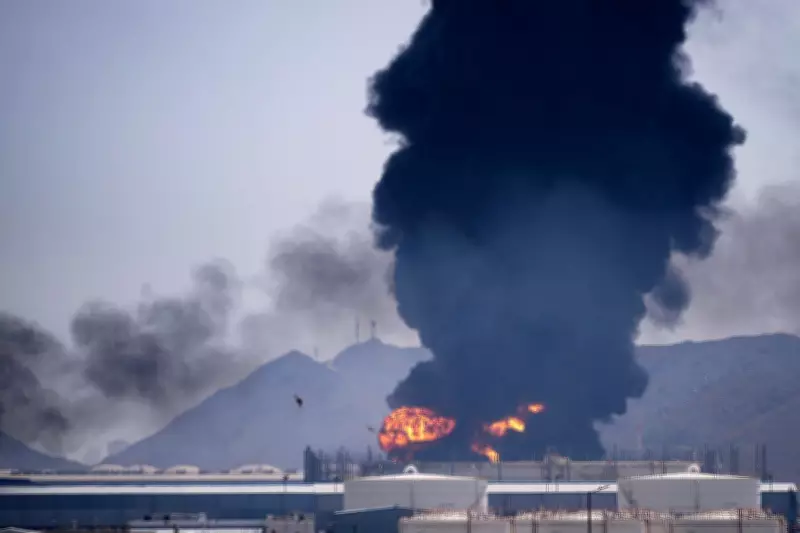
Recent developments have seen a sharp increase in attacks on vital economic assets. Authorities reported that debris from an intercepted Iranian drone struck an oil facility in Fujairah, United Arab Emirates, on Saturday, March 14, 2026. The incident resulted in a fire and a substantial plume of smoke, highlighting the vulnerability of global energy supplies to the conflict. Such attacks not only threaten regional stability but also have far-reaching implications for oil markets worldwide, potentially disrupting supply chains and driving up prices.
Strategic Implications of U.S. Marine Deployment
The decision to send 2,500 U.S. Marines to the region signals a robust response to the escalating violence. This deployment is aimed at deterring further aggression and protecting American interests, including key allies and critical infrastructure. Military analysts suggest that the move could pave the way for more direct involvement if the conflict continues to expand, raising concerns about a broader regional war. The presence of these forces is expected to influence the strategic calculations of all parties involved, potentially altering the dynamics on the ground.

Global and Economic Repercussions
The Iran war is already having ripple effects beyond the Middle East. Escalating gas prices, driven by fears of supply disruptions, are causing consumers to alter their spending habits. Additionally, the conflict adds new layers of uncertainty to global economic forecasts, complicating efforts by central banks, including the Bank of Canada, to navigate already clouded economic landscapes. The interplay between military actions and economic stability remains a critical concern for policymakers worldwide.
Regional Security and Diplomatic Efforts
As the conflict enters its third week, diplomatic channels are under strain. The international community is grappling with how to de-escalate tensions while addressing the root causes of the hostilities. The U.S. deployment may be seen as a show of force to support diplomatic initiatives, but it also risks further inflaming the situation. Regional leaders are calling for renewed dialogue, emphasizing the need for a peaceful resolution to prevent a full-scale war that could have devastating consequences for the Middle East and beyond.
In summary, the Iran war's escalation into its third week, coupled with the significant U.S. military reinforcement, marks a critical juncture in the conflict. With attacks on oil facilities threatening global energy security and economic stability, the situation demands close monitoring as developments unfold. The coming days will be crucial in determining whether diplomatic efforts can prevail or if further military engagement becomes inevitable.