Iran Pledges Retaliatory Escalation Amid Ongoing U.S.-Israeli Military Campaign
The military confrontation between the United States, Israel, and Iran has now stretched into its sixth consecutive day, with no immediate indications of de-escalation emerging from the volatile region. As the Islamic Republic issued stark warnings about intensifying its counterattacks, global oil markets continued their upward trajectory, reflecting deepening anxieties over a prolonged and expanding conflict.
Regional Chaos and Expanding Geographic Reach
Throughout Thursday, multiple Arab nations alongside Israel reported successfully intercepting waves of Iranian missiles and drones. Authorities in Qatar went so far as to advise residents to remain indoors due to the elevated threat level. In a move highlighting the risks to vital maritime routes, Tehran claimed responsibility for striking an oil tanker within the Persian Gulf, a critical artery for global energy supplies.
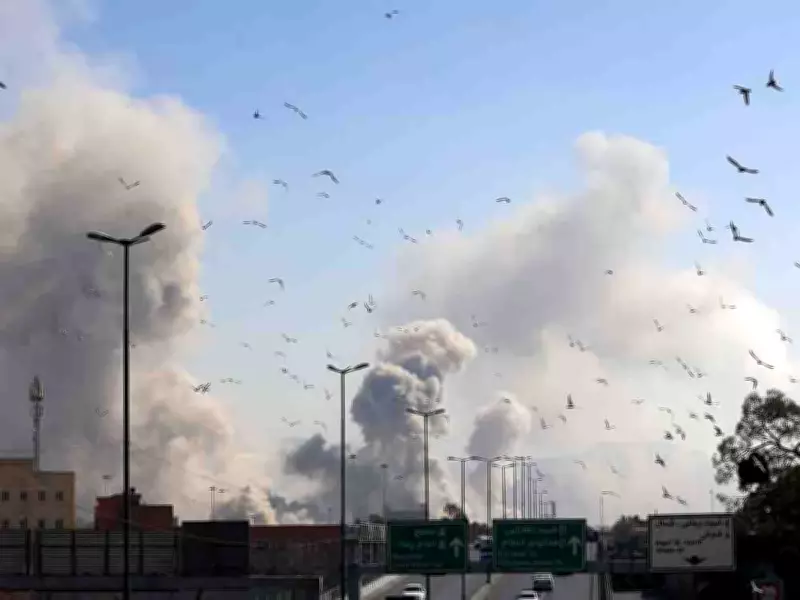
Israeli forces have maintained relentless aerial assaults on the Iranian capital, targeting military and intelligence installations. These strikes follow earlier attacks on Hezbollah positions in Lebanon. The human cost continues to mount, with preliminary reports indicating at least 1,200 fatalities within Iran and dozens more across the wider Middle East.

Defiant Statements from Both Sides
The Islamic Revolutionary Guards Corps, via the Nour news agency, declared that retaliatory operations would increase in intensity in the coming days. This bellicose rhetoric was mirrored by United States President Donald Trump, who stated on Wednesday that the U.S. was "doing very well on the war front." White House officials added that they were nearing "complete and total control of Iranian airspace."
The conflict's scope widened significantly with Iran's pledge to respond to the sinking of one of its warships off the coast of Sri Lanka—an incident marking the first time since World War II that an American submarine has attacked a surface vessel. Since the joint U.S.-Israeli campaign commenced on February 28, approximately a dozen nations have found themselves drawn into the fray.
New Fronts and Diplomatic Strains
Azerbaijan emerged as the latest nation involved, threatening retaliation after reporting that two Iranian drones had landed on its territory. Iran promptly denied any involvement in the incident, according to the semi-official Fars news agency. In a significant escalation, Turkey, a NATO member, came under fire for the first time since hostilities began. While NATO confirmed its air defenses had downed the ballistic missile, Ankara issued a stern warning to Tehran against actions that could further inflame the situation.
Market Turbulence and Logistical Disruption
The specter of a protracted war is sending shockwaves through financial markets. Brent crude oil prices climbed toward $82 a barrel, having already surged approximately 13 percent in the first three days of the week. Gold prices also extended their gains as investors sought safe-haven assets, while a global bond selloff persisted. The aviation sector remains severely hampered, with over 23,000 flights to Middle Eastern hubs cancelled since the fighting started, leaving thousands of passengers stranded across the Gulf region.
Internal Uncertainty in Tehran
Amid the external military pressure, Iran faces internal leadership uncertainty. The country has yet to appoint a new supreme leader following the assassination of Ayatollah Ali Khamenei over the weekend. Iranian media reported that a decision would be made "as soon as possible," but the process adds another layer of instability to an already chaotic situation.