Iran Issues Grave Threats Against U.S. as Middle East Tensions Soar
In a dramatic escalation of hostilities, Iran has issued a series of severe threats against the United States, explicitly calling for retaliation and warning that America will "bitterly regret" its recent military actions. The inflammatory statements come as attacks continue to ripple across the region, plunging the Middle East into a deeper state of conflict.
Live Updates: A Region on the Brink
The situation remains fluid and highly volatile, with ongoing developments being tracked in real-time. Iranian officials have not minced words, directly threatening former U.S. President Donald Trump and condemning American military operations. The rhetoric underscores a significant hardening of positions, raising fears of a broader regional war.
International Reactions and NATO Involvement
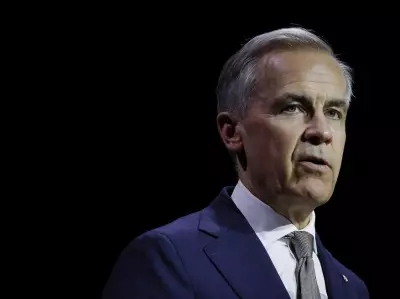
The conflict has drawn in key international players. Notably, NATO ally Turkey has reportedly been targeted as the violence spreads. In a related development, Canadian officials have commented on the potential for deeper involvement. Former Bank of England Governor and Canadian political figure Mark Carney stated, "One can never categorically rule out participation", when questioned about Canada joining a war effort against Iran. This marks a notable shift in diplomatic posture, reflecting the gravity of the crisis.

U.S. Military Campaign and Justifications
The United States has signaled an expansion of its military campaign against Iran. In a public address, former President Donald Trump defended the strikes, asserting they were necessary to counter a nuclear threat. "It's a nation that's out of control," Trump declared, framing the action as a defensive measure. U.S. officials have provided updates on "Operation Epic Fury", with one remarking that "killing these brutal terrorists is good for America".
Broader Implications and Regional Stability
The escalating conflict threatens to destabilize the entire Middle East. Iran's vow that the U.S. will regret its actions suggests a commitment to prolonged retaliation. The involvement of international bodies like NATO and comments from allied nations indicate that the crisis is testing global diplomatic and military alliances. The live blog format of reporting highlights the unpredictable and fast-moving nature of the events, with each development carrying the potential to trigger further escalation.
As the situation unfolds, the world watches closely, aware that the stakes for regional and global security have never been higher. The combination of heated rhetoric, military strikes, and international positioning paints a picture of a conflict that is rapidly moving beyond a bilateral dispute into a wider confrontation.