Iran Targets Tel Aviv in New Wave of Attacks
In a significant escalation of hostilities, Iran has launched a new wave of missile attacks targeting Tel Aviv, Israel. The strikes, which occurred on March 5, 2026, mark a dangerous intensification of the ongoing Middle East conflict. Military analysts report that multiple projectiles were intercepted by Israel's defense systems, but some impacts have been confirmed in the metropolitan area.
International Reactions and Diplomatic Fallout
The United Nations has called for an immediate investigation into the attacks, while global leaders express grave concern over the rapidly deteriorating situation. In Washington, the Trump administration faces mounting pressure as the House narrowly rejected a war powers resolution related to Iran, highlighting deep divisions over U.S. strategy in the region.
Middle East experts caution that the conflict could spiral further, with one analyst noting, "Iran is not Venezuela" in response to questions about potential U.S. escalation. Former National Security Advisor John Bolton has criticized previous administration approaches, stating that failures to properly explain engagement in "tumultuous and bloody" wars have compounded current challenges.

Regional and Global Implications
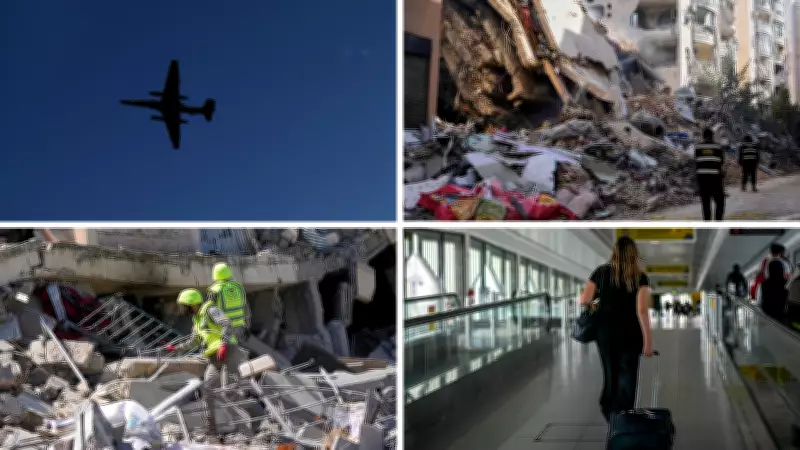
The attacks have triggered emergency responses across Israel, with authorities urging residents in affected areas to seek shelter. Commercial shipping in the Persian Gulf has also been impacted, with reports of tankers coming under bombardment as conflict spreads across the Middle East.
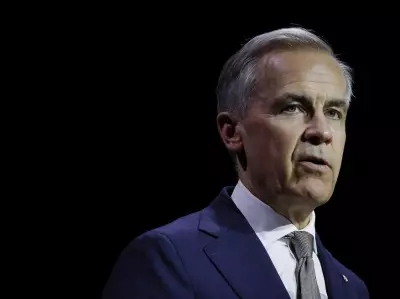
Canadian officials are monitoring the situation closely, with Bank of Canada Governor Mark Carney noting that "one can never categorically rule out participation" when asked about Canada's potential role in the conflict. Meanwhile, Canadians stranded in the region have expressed frustration with what they describe as inadequate consular support.
Broader Context of Escalating Tensions
This latest development follows weeks of increasing hostilities between Iran and Israel, with both nations exchanging threats and limited strikes. The conflict has already affected global energy markets, with oil prices fluctuating amid concerns about supply disruptions from the strategically vital region.
Security experts warn that the situation remains highly volatile, with potential for further escalation that could draw in additional regional actors and international powers. The international community continues to call for de-escalation and diplomatic solutions to prevent a broader regional war.