Iran Targets Tel Aviv in New Wave of Attacks, Israel Strikes Beirut Suburbs
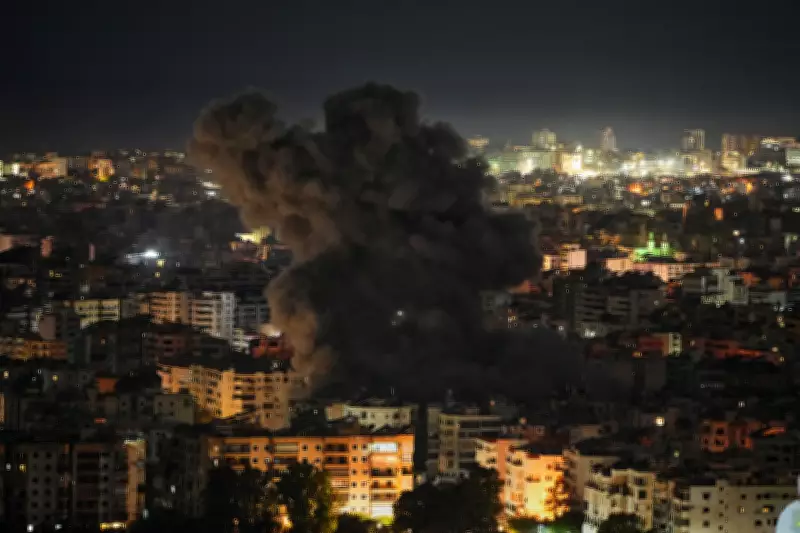
In a significant escalation of hostilities in the Middle East, Iran has launched a new wave of attacks targeting Tel Aviv, while Israel has responded with strikes on the suburbs of Beirut. This development marks a dangerous intensification of the ongoing conflict, raising fears of a broader regional war.
Live Updates on the Escalating Conflict
The situation remains fluid, with reports of explosions and military activity in both Israeli and Lebanese territories. Iranian forces have reportedly deployed missiles and drones aimed at Tel Aviv, a major metropolitan area and economic hub of Israel. In retaliation, the Israeli military has conducted precise strikes on strategic locations in the southern suburbs of Beirut, areas known to be strongholds of Iranian-backed militant groups.
International reactions are pouring in, with the United Nations calling for an immediate de-escalation and investigation into recent incidents, including a deadly airstrike on a girls' school in Iran. The U.S. House of Representatives has narrowly rejected a war powers resolution related to Iran, highlighting the political divisions over American involvement. Meanwhile, former U.S. National Security Advisor John Bolton has criticized past administrations for failing to adequately explain the complexities of engaging in what he describes as a "tumultuous and bloody" war.

Expert Analysis and Political Implications
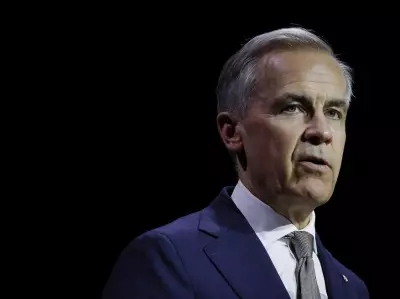
Middle East experts are weighing in on the crisis, with some noting that "Iran is not Venezuela," emphasizing the unique geopolitical challenges posed by Tehran. They argue that any potential next steps by former U.S. President Donald Trump, who has shifted objectives on the war with Iran, could have profound consequences. Canadian officials, including former Bank of Canada Governor Mark Carney, have commented on the possibility of Canada joining the conflict, stating that "one can never categorically rule out participation," though this remains a topic of intense debate.
In Canada, the Conservative opposition is urging a parliamentary vote on any military role in Iran, accusing the government of flip-flopping on its stance. This domestic political friction adds another layer to the international response, as countries grapple with how to address the escalating violence.
Regional and Global Ramifications
The attacks have sparked concerns about civilian casualties and infrastructure damage, with reports of disruptions in both Israel and Lebanon. The conflict is also affecting global markets, with rising oil prices and increased volatility in financial sectors. Additionally, there are reports of stranded Quebecers in the Middle East who feel abandoned by Canadian authorities, highlighting the human toll of the crisis.
As the situation unfolds, military analysts warn that further escalation could draw in other regional actors, potentially leading to a wider war. The international community is closely monitoring developments, with calls for diplomatic solutions to prevent further loss of life and instability in the Middle East.