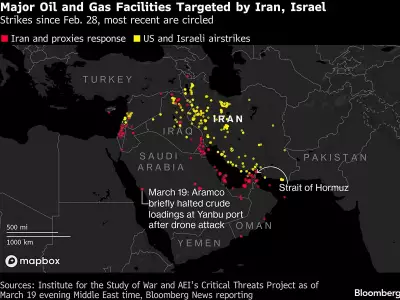
In a significant escalation of regional hostilities, Iran has executed targeted missile strikes against both Israel and several Gulf Arab states. This aggressive military action unfolded even as former United States President Donald Trump publicly asserted that the U.S. is actively engaged in diplomatic talks aimed at bringing the protracted Middle East war to a conclusion.
Immediate Aftermath and Regional Impact
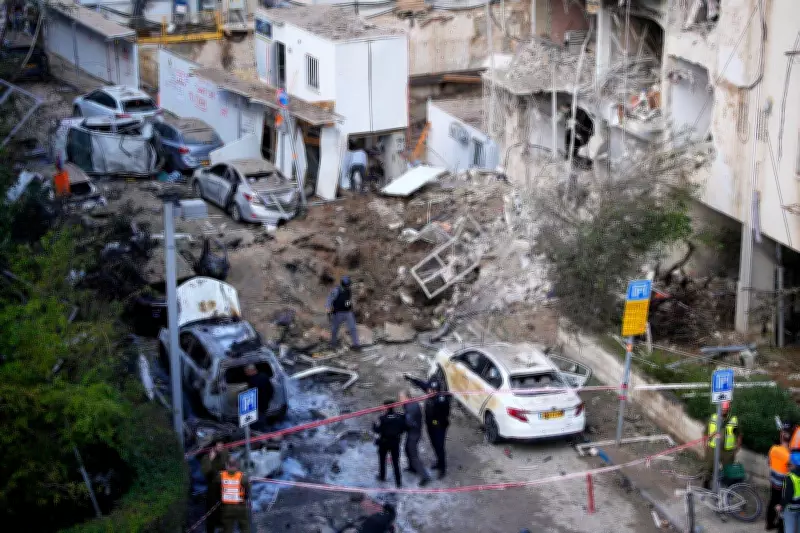
The attacks, which occurred on Tuesday, March 24, 2026, prompted immediate emergency responses from Israeli security and rescue teams in Tel Aviv. Photographic evidence from the scene depicted the tangible aftermath of the Iranian assault, highlighting the severe security challenges facing the region. Concurrently, Gulf Arab nations found themselves under similar threat, marking a broadened offensive front by Iran that intensifies an already volatile geopolitical landscape.
Political and Economic Repercussions
Former President Trump's comments regarding ongoing U.S. negotiations to terminate the conflict introduced a complex diplomatic dimension to the crisis. However, these claims stand in stark contrast to the reality of renewed military aggression, suggesting a disjointed or potentially contradictory international approach to conflict resolution. The situation has directly contributed to noticeable market turbulence, with financial analysts observing significant fluctuations in oil prices and stock indices as investors react to the heightened instability.

This military escalation by Iran not only jeopardizes immediate regional security but also poses substantial risks to global economic stability. The cost of living in numerous countries is experiencing upward pressure linked to the conflict, particularly through volatile energy markets. The juxtaposition of active warfare with claims of peace talks creates an environment of profound uncertainty for policymakers and civilians alike.
Broader Context and Future Outlook
The Iranian offensive underscores the deeply entrenched and multifaceted nature of the Middle East conflict, which involves a web of historical grievances, strategic interests, and proxy engagements. The targeting of Gulf Arab states further complicates the regional alliance structures and could potentially draw additional international actors into the fray.
As emergency services manage the immediate fallout in affected urban centers, the international community watches closely. The efficacy and authenticity of the purported U.S.-led diplomatic talks remain under intense scrutiny, with their success or failure likely to dictate the short-term trajectory of either de-escalation or further military confrontation. The coming days are critical for assessing whether dialogue can prevail over the current cycle of violence and retaliation.