Intelligence Alerts Warn of Potential Iranian Sleeper Cell Activation in Western Countries
Security agencies across Western nations are on high alert following intelligence reports suggesting Iran may be preparing to unleash a wave of terrorist attacks through previously established sleeper cells. The concerns have intensified in the wake of leadership changes within the Islamic Republic, with experts warning that the current geopolitical climate creates ideal conditions for covert operations.
Urgent Communications and Coded Signals Detected
According to multiple intelligence sources, an urgent encrypted message was transmitted following the death of former Supreme Leader Ali Khamenei. While the exact contents remain undeciphered, security analysts believe the communication contains instructions for "covert operatives or sleeper assets" positioned in various countries outside Iran.
A U.S. national alert distributed to law enforcement agencies warned that the coded signal could "be intended to activate or provide instructions to prepositioned sleeper assets operating outside the originating country." The alert specifically noted the "sudden appearance of a new station with international rebroadcast characteristics" that intelligence agencies have identified as "likely of Iranian origin."

Security Experts Voice Grave Concerns
Counterterrorism specialists have expressed growing apprehension about potential revenge attacks targeting Western interests. Chris Swecker, a former assistant FBI director, told media outlets that current conditions create unprecedented risks.
"If ever there's going to be a Hezbollah cell or a Hamas cell act in the United States in a violent way, it's now," Swecker emphasized, referencing the heightened tensions following recent conflicts in the Middle East.
Law enforcement agencies have been instructed to increase monitoring of suspicious radio communications and other potential signaling methods that could be used to coordinate sleeper cell activities.
Recent Incidents Highlight Ongoing Threats
Two significant terrorist incidents in the United States have already occurred since regional tensions escalated:
- On March 1, a gunman with documented "pro-Iranian regime sentiments" opened fire at a bar in Austin, Texas, killing two people and injuring fourteen others before police neutralized the threat. The attacker, identified as 53-year-old Ndiaga Diagne, wore clothing bearing Islamic religious declarations.
- In New York City, two Pennsylvania teenagers allegedly threw an explosive device at an anti-Islamic protest. Emir Balat, 18, and Ibrahim Kayumi, 19, now face terrorism-related charges including use of a weapon of mass destruction, with investigators examining potential connections to extremist organizations.
Leadership Succession Creates Internal Tensions
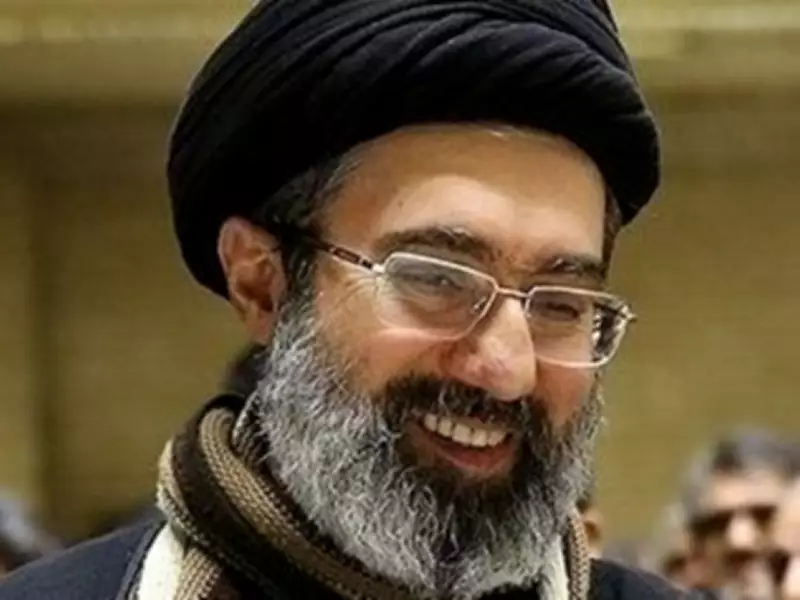
The transition of power in Iran has reportedly created significant internal divisions. According to opposition sources with intelligence connections, the late Supreme Leader Ali Khamenei explicitly requested in his will that his son Mojtaba not be named as his successor.
Khosro Isfahani, a research director for the opposition group National Union for Democracy, revealed that "Mojtaba is an impotent young cleric who has achieved nothing in terms of political life" and that the majority of Iran's succession council initially opposed his appointment.
However, the powerful Islamic Revolutionary Guard Corps (IRGC) intervened to ensure Mojtaba Khamenei's ascension to leadership. The 56-year-old, who has been compared to "nepo babies" in Western entertainment industries, now faces the challenge of governing a nation amid internal dissent and external pressures.
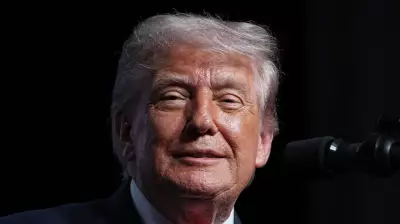
Interestingly, even political adversaries share concerns about the new leader's capabilities. Former U.S. President Donald Trump reportedly described Mojtaba Khamenei as "a lightweight" in recent comments to media outlets.

Increased Vigilance Required
While concrete evidence of imminent large-scale attacks remains limited, security experts unanimously recommend heightened vigilance. The combination of leadership transition in Iran, existing geopolitical tensions, and detected communications suggesting sleeper cell activation creates what many consider to be a perfect storm for potential terrorist incidents in Western nations.
Intelligence agencies continue to monitor the situation closely, with particular attention to communications patterns and suspicious activities that might indicate sleeper cell mobilization. The coming weeks and months will likely determine whether these fears materialize into actual security incidents requiring coordinated international responses.