Iran Escalates Conflict with Missile Barrage Following Trump's War Address
Iran launched new missile attacks targeting Israel and Gulf Arab states on Thursday, directly responding to U.S. President Donald Trump's address to Americans about the ongoing war. The attacks underscored Tehran's firm rejection of Washington's ceasefire outreach while maintaining Iranian control over the strategically vital Strait of Hormuz.
International Diplomatic Efforts to Secure Hormuz Strait
Britain planned to convene a critical call on Thursday with nearly three dozen countries to discuss reopening the Strait of Hormuz, through which approximately 20% of globally traded oil and natural gas passes during peacetime. The 35 participating nations include all G7 industrialized democracies except the United States, along with the United Arab Emirates and Bahrain.
These countries signed a declaration last month demanding Iran cease blocking the strait. The virtual meeting, hosted by British Foreign Secretary Yvette Cooper, will focus on "diplomatic and political measures" to restore shipping once hostilities conclude.

Trump's Mixed Messages on U.S. Involvement
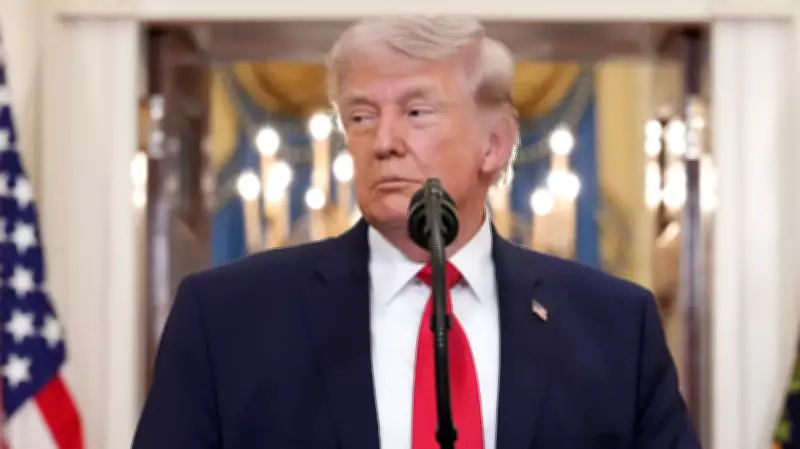
While Washington has consistently insisted that Iran allow free transit through the strait, President Trump this week stated that forcing access is not America's responsibility. In his address, he encouraged nations dependent on Hormuz oil shipments to "build some delayed courage" and take action themselves.
Trump declared that the United States would strike Iran "extremely hard over the next two to three weeks," while simultaneously asserting that American "core strategic objectives are nearing completion." The president acknowledged fallen U.S. service members, stating, "We are going to finish the job, and we're going to finish it very fast. We're getting very close."
Iran's Defiant Military Posture
Iran's military responded defiantly on Thursday, claiming its armament facilities remain hidden and inaccessible to Israeli or American attacks. Lieutenant Colonel Ebrahim Zolfaghari, spokesperson for the Iranian military's Khatam Al-Anbiya Central Headquarters, declared, "The centers you think you have targeted are insignificant."
The timing of Iran's missile attacks was particularly notable. Explosions were heard in Dubai just before Trump began his nearly 20-minute address on Wednesday, as air defenses worked to intercept incoming missiles. Less than thirty minutes after the president concluded speaking, Israel reported its military was intercepting additional missile barrages. Sirens also sounded in Bahrain, home to the U.S. Navy's 5th Fleet, immediately following Trump's speech.
Economic Consequences and Global Pressure
Though Iran has permitted limited ship movement through the strait, the passage remains largely closed. Repeated Iranian attacks on Gulf Arab energy infrastructure have sent oil prices soaring, creating broader economic challenges worldwide.
Following Trump's address, Brent crude oil prices rose to $108 in early spot trading, representing a nearly 50% increase since February 28 when Israel and the U.S. initiated the war with attacks on Iran. These rising energy costs and stock market volatility have increased domestic pressure on the Trump administration.
Diplomatic Deadlines and Humanitarian Toll
The United States has presented Iran with a 15-point ceasefire plan, but Trump made no mention of these diplomatic efforts during his address, nor did he reference his April 6 deadline for Iran to reopen the Strait of Hormuz or face severe U.S. retaliation.
The human cost of the conflict continues to mount. More than 1,900 people have been killed in Iran during the war, with 19 reported dead in Israel. Additional casualties include more than two dozen fatalities in Gulf states and the occupied West Bank, along with 13 U.S. service members. In Lebanon, authorities report over 1,200 deaths and more than 1 million displaced persons, with ten Israeli soldiers also killed there.

British Prime Minister Keir Starmer emphasized the international community's cautious approach, stating the multinational group "will assess all viable diplomatic and political measures we can take to restore freedom of navigation, guarantee the safety of trapped ships and seafarers and to resume the movement of vital commodities." No nation appears willing to attempt forcibly opening the strait while active hostilities continue.