Iran's Supreme Leader Advocates for Strait of Hormuz Closure Amid Escalating Gulf Conflict
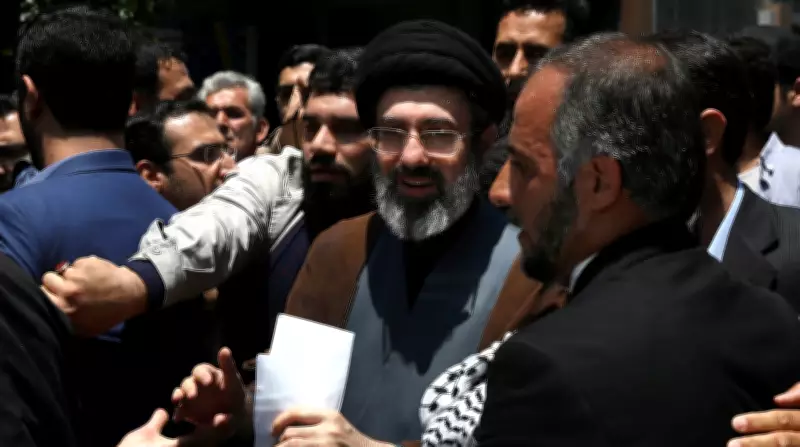
In a significant development, Iran's Supreme Leader Ayatollah Mojtaba Khamenei has publicly endorsed the strategic leverage of closing the Strait of Hormuz, a critical global oil chokepoint. His statement, delivered via state television on Thursday, marks his first official communication since his appointment and underscores Iran's aggressive posture in the ongoing regional war. Notably, Khamenei did not appear on camera, with Israeli assessments suggesting he may have been wounded during the initial hostilities that erupted on February 28.
Economic Warfare and Oil Price Surge
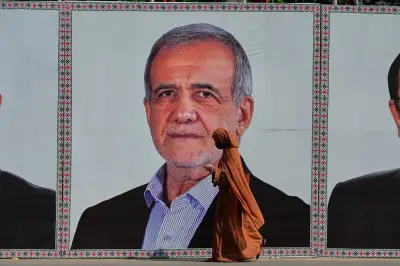
The relentless Iranian assaults on shipping lanes and energy infrastructure across the Persian Gulf have precipitated a sharp rise in global oil prices, with Brent crude soaring above $100 per barrel. This represents an approximate 38% increase since the conflict's inception, reflecting severe market volatility. Iran's objective appears to be inflicting substantial economic pain on the United States and Israel, aiming to pressure them into halting their bombardment. Iranian President Masoud Pezeshkian has emphasized that attacks will persist until Iran receives concrete security guarantees against future assaults, indicating that even a ceasefire might not de-escalate the situation.
Regional Attacks and Humanitarian Crisis
Simultaneously, Iran-backed Hezbollah militants launched approximately 200 rockets from Lebanon into northern Israel, triggering air raid sirens and audible interceptions. In response, Israel conducted further strikes on Tehran and Lebanon, resulting in at least 11 fatalities. The humanitarian toll is mounting, with the U.N. refugee agency reporting up to 3.2 million people displaced within Iran, primarily fleeing major cities like Tehran for northern or rural areas. Additionally, at least 759,000 individuals have been internally displaced in Lebanon due to the conflict.

Strategic Threats and International Response
Iran maintains a formidable stranglehold over the Strait of Hormuz, through which one-fifth of the world's oil transits. Parliamentary speaker Mohammad Bagher Qalibaf issued a stark warning on social media, threatening that any attempts to seize Iranian islands would lead to the Persian Gulf being stained with the blood of invaders. In the Gulf region, attacks have targeted multiple countries:
- A container ship off Dubai was struck, causing a minor fire.
- Bahrain's Muharraq Island experienced a major fire near its international airport.
- Kuwait reported drone incidents damaging a residential building and its airport.
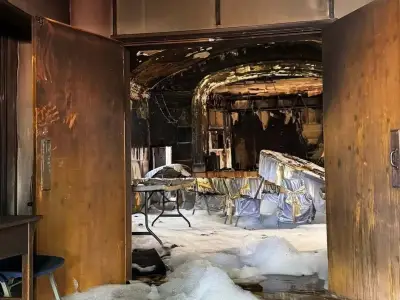
- The UAE activated air defenses in Dubai and extinguished a tower blaze.
- Saudi Arabia intercepted drones aimed at Riyadh and eastern oil fields.
These actions have prompted operational halts at Iraqi oil terminals and led Citibank to close most of its UAE branches due to security threats.
Nuclear Dimensions and Escalating Strikes
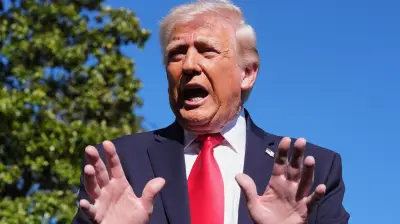
Israel has targeted Iranian nuclear facilities, including the Taleghan 2 site, as part of a broader aim to dismantle Iran's nuclear program, which the U.S. and Israel allege is weapon-oriented. In Tehran, security checkpoints faced drone attacks for the first time, killing at least 10 people. The conflict shows no signs of abating, with U.S. President Donald Trump vowing to complete military objectives despite claiming Iran is severely weakened. As the war persists, the international community grapples with escalating violence, economic disruption, and a deepening humanitarian crisis across the Middle East.