Iran Intensifies Military Strikes Against Gulf Arab Energy Infrastructure
In a major escalation of regional hostilities, Iran has executed coordinated overnight attacks targeting critical energy installations belonging to its Gulf Arab neighbors. These aggressive military actions represent a significant intensification of the ongoing Middle East conflict and appear to be direct retaliation for recent security developments that have strained diplomatic relations across the Persian Gulf region.
Strategic Energy Targets Under Fire
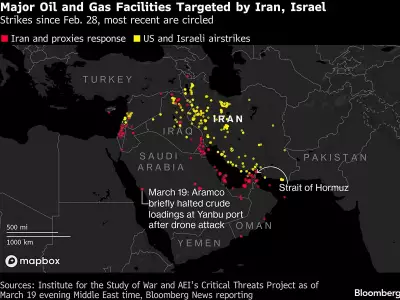
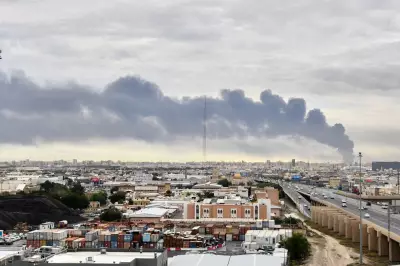
The Iranian offensive specifically focused on oil and gas facilities that form the economic backbone of several Gulf Cooperation Council member states. Military analysts describe these coordinated strikes as particularly damaging to regional energy security, with the potential to disrupt global oil markets already strained by geopolitical tensions. The precision of these attacks suggests careful planning and intelligence gathering prior to execution.
Regional security experts warn that targeting energy infrastructure represents a dangerous escalation in tactics, moving beyond symbolic demonstrations to attacks with substantial economic consequences. The Gulf Arab states affected have invested heavily in securing their energy sectors, yet these latest incidents reveal vulnerabilities that could have far-reaching implications for international energy stability.

Retaliatory Nature of the Offensive
Multiple sources confirm that these attacks constitute Iran's response to the recent killing of a high-ranking security official, though Iranian authorities have not officially claimed responsibility for all strikes. The timing and coordination suggest a calculated message to both regional adversaries and international observers monitoring the increasingly volatile situation.
"This represents a significant shift in Iran's military posture toward its neighbors," noted one Middle East security analyst. "By targeting energy infrastructure specifically, they're demonstrating capability to inflict economic pain while avoiding direct confrontation with military forces."
Broader Regional Implications
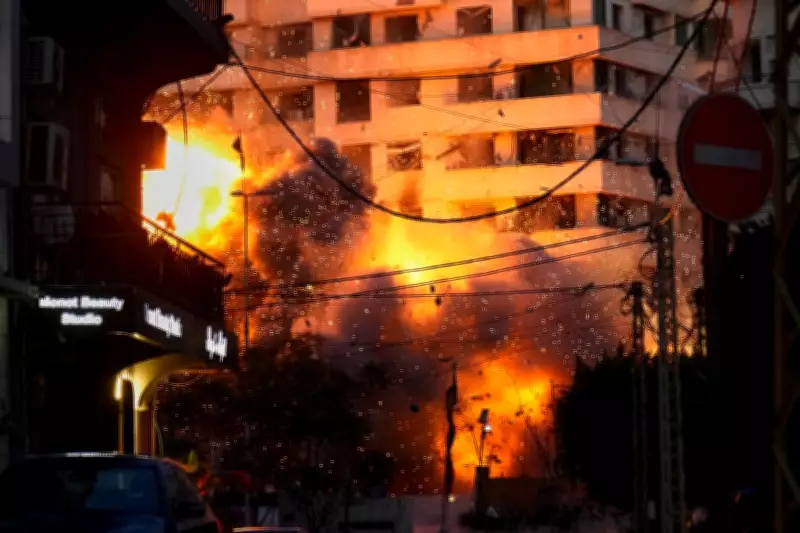
The escalation comes amid worsening conditions in neighboring Lebanon, where Israeli strikes have intensified, creating a multi-front regional crisis. Simultaneously, in Washington, U.S. Senate committees have been grilling intelligence officials about the expanding conflict, reflecting growing international concern about the potential for broader war.
Military experts describe the situation as particularly volatile because:
- Energy infrastructure attacks can quickly escalate economic tensions
- Multiple regional conflicts are becoming increasingly interconnected
- International powers have significant strategic interests in Gulf stability
- The potential for miscalculation and unintended escalation remains high
International Response and Future Outlook
The international community faces complex challenges in responding to this escalation. Gulf Arab states must balance defensive measures with diplomatic efforts to prevent further deterioration of regional security. Meanwhile, global powers monitor the situation closely, concerned about potential disruptions to energy supplies and the risk of broader regional conflict.
As the situation continues to develop, security analysts emphasize that the coming days will be critical in determining whether this represents a temporary spike in hostilities or the beginning of a new, more dangerous phase in Middle East tensions. The targeting of economic infrastructure rather than purely military targets suggests Iran may be testing new thresholds in regional conflict dynamics.