Iran Targets Kuwait Refinery in Major Escalation as Israel Eliminates Key Iranian Figure
In a significant escalation of the ongoing Middle East conflict, Iran has conducted a missile strike on Kuwait's Mina Al-Ahmadi refinery, while Israel has confirmed the killing of a high-ranking Iranian Revolutionary Guards spokesman. These developments mark a dangerous new phase in the regional war, with direct attacks on critical infrastructure and key personnel heightening tensions across the Gulf and beyond.
Kuwait's Strategic Refinery Comes Under Fire
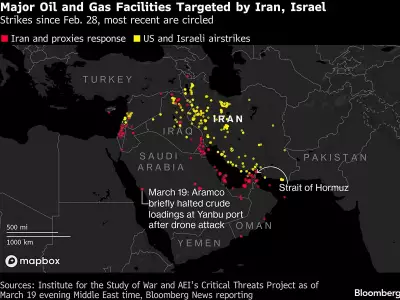
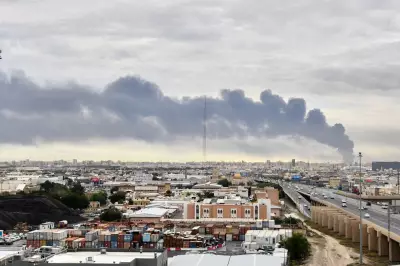
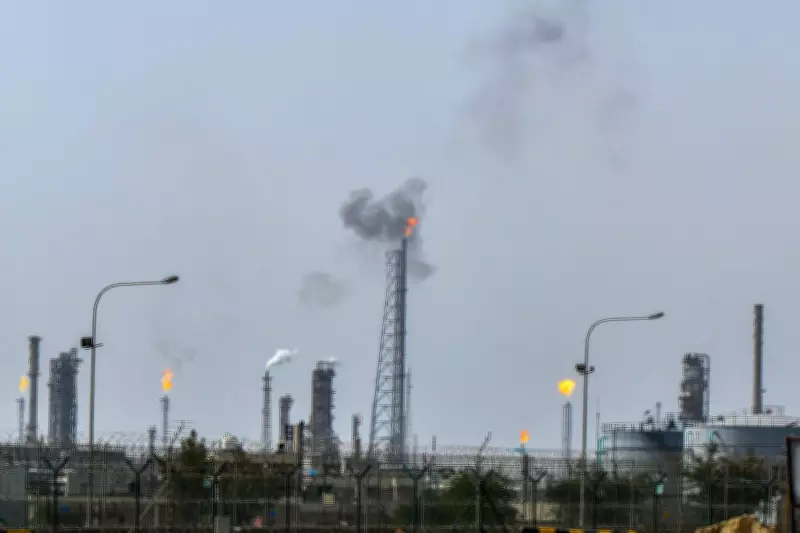
The Mina Al-Ahmadi refinery, one of Kuwait's most important oil processing facilities, was struck by Iranian missiles on Friday, March 20, 2026. This facility represents a crucial component of Kuwait's petroleum industry and plays a vital role in global energy markets. The attack demonstrates Iran's willingness to target neighboring countries' economic assets, potentially disrupting oil supplies and increasing volatility in international energy prices.
Israel's Targeted Operation Against Iranian Leadership
Simultaneously, Israel conducted a precision operation that resulted in the death of a prominent Iranian Revolutionary Guards spokesman. This action represents a direct blow to Iran's military communications and propaganda apparatus, removing a key voice in Tehran's narrative about the conflict. The elimination of such a high-profile figure suggests Israel is intensifying its campaign against Iranian leadership targets.

The dual attacks underscore how the Middle East conflict is expanding beyond traditional battle lines, with economic infrastructure and media operations becoming legitimate targets. This represents a worrying development that could draw additional regional players into the confrontation and further destabilize an already volatile situation.
Broader Regional Implications
These events occur against a backdrop of increasing regional polarization. The attack on Kuwaiti territory represents a significant escalation, as Kuwait has traditionally maintained a more neutral stance in regional conflicts compared to some of its Gulf neighbors. Meanwhile, Israel's targeted killing demonstrates its continued commitment to offensive operations against Iranian assets, regardless of location or political considerations.
The international community is closely monitoring these developments, with concerns growing about potential spillover effects that could impact global energy security and regional stability. Diplomatic efforts to de-escalate the situation face significant challenges as both sides appear committed to expanding the scope and intensity of their military operations.
Historical Context and Future Outlook
This latest escalation builds upon months of increasing hostilities in the region. The conflict has already resulted in numerous casualties and significant damage to infrastructure across multiple countries. With both Iran and Israel demonstrating their willingness to strike at high-value targets, the potential for further escalation remains substantial.
Analysts warn that attacks on critical energy infrastructure like the Mina Al-Ahmadi refinery could have far-reaching economic consequences beyond the immediate region, potentially affecting global oil markets and energy prices worldwide. Meanwhile, targeted killings of military spokespersons represent a new dimension in information warfare, where controlling the narrative has become as important as controlling territory.