Iran Calls for Human Chains to Protect Power Plants as Trump Deadline Nears
In a dramatic move amid escalating tensions, Iran has called on its citizens to form human chains around critical power plants as a deadline set by former U.S. President Donald Trump approaches. This urgent appeal comes as the Middle East faces heightened geopolitical strain, with Iran positioning itself defensively against potential external threats.
Escalating Tensions in the Region
The call for human chains underscores Iran's proactive measures to safeguard its infrastructure from possible attacks or sabotage. Power plants are vital assets for the nation's energy grid, and protecting them has become a top priority for Iranian authorities. This initiative reflects broader concerns over regional stability and the looming deadline, which has not been explicitly detailed but is widely interpreted as a critical juncture in U.S.-Iran relations.
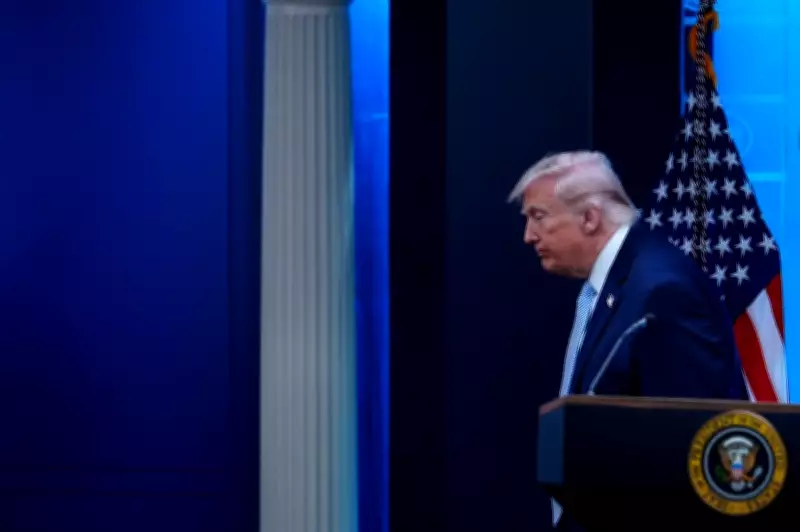
Former President Trump, known for his hardline stance on Iran during his tenure, has set this deadline, adding to the uncertainty and anxiety in the region. His administration previously imposed stringent sanctions and pursued aggressive policies toward Iran, and this new development suggests a continuation of that pressure, even after his presidency.

Citizen Mobilization and National Security
Iranian officials have emphasized the importance of citizen participation in this defense effort, framing it as a patriotic duty to protect national sovereignty. Human chains are intended to serve as both a symbolic and physical barrier, deterring any potential aggressors and showcasing public solidarity. This mobilization effort is part of a larger strategy to bolster domestic resilience in the face of international pressures.
The timing of this call is particularly significant, as it coincides with ongoing diplomatic negotiations and military posturing in the Middle East. Analysts suggest that Iran's move could be a response to perceived threats from the United States or its allies, aiming to preempt any actions that might compromise its energy security.
Broader Implications for Middle East Conflict
This development adds another layer to the complex web of conflicts in the Middle East, where issues such as nuclear proliferation, regional rivalries, and foreign intervention continue to fuel instability. Iran's defensive measures highlight the precarious balance of power in the area, with nations often resorting to unconventional tactics to assert their interests.
As the deadline nears, the international community watches closely, concerned about potential escalations that could disrupt global energy markets and spark broader hostilities. The situation remains fluid, with both diplomatic and military options on the table for key stakeholders.
In summary, Iran's call for human chains to protect power plants is a stark reminder of the ongoing tensions in the Middle East, driven by historical animosities and contemporary geopolitical maneuvers. With Trump's deadline looming, the region braces for possible outcomes that could reshape its political landscape.