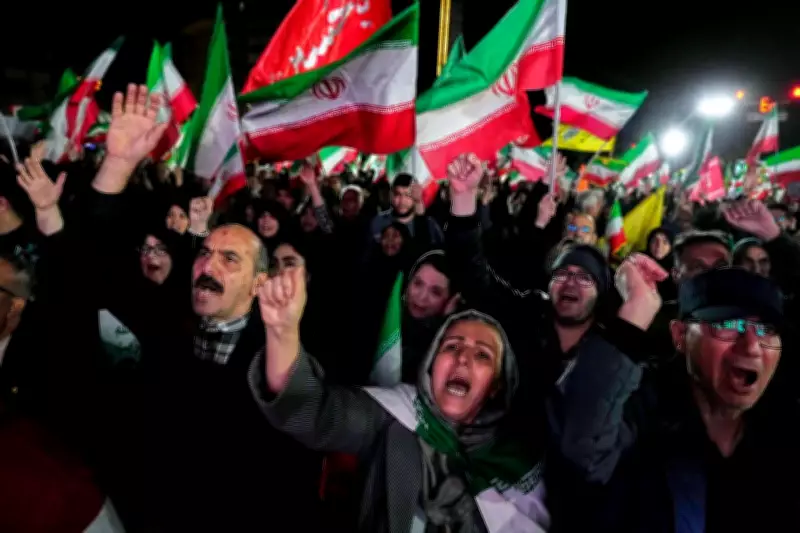
Iran and U.S. Harden Positions Amid Strait of Hormuz Standoff
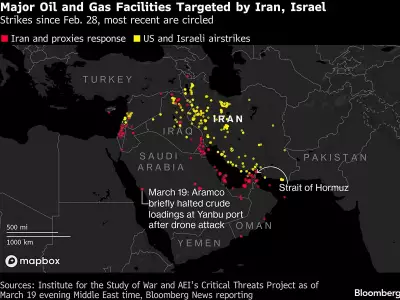
In a significant escalation of geopolitical tensions, Iran and the United States have both hardened their positions as Tehran continues to assert its control over the strategic Strait of Hormuz. This critical waterway, through which approximately one-fifth of the world's oil passes, has become a focal point in the ongoing conflict between the two nations.
U.S. Troop Deployment Raises Questions
The United States has recently deployed additional troops to the Middle East, a move that analysts describe as a show of force in response to Iran's actions. Some experts question whether this deployment is merely symbolic or signals a deeper military commitment. 'The Art of the Deal playing out live in international politics,' remarked one observer, highlighting the high-stakes nature of the situation.
Military experts express concerns about the fragility of any potential peace talks. 'U.S. officials wouldn’t really know who to trust during peace talks with Iran,' noted a military analyst, underscoring the complex diplomatic landscape. This uncertainty complicates efforts to de-escalate the conflict and find a peaceful resolution.

Oil Market Volatility and Manipulation Fears
Simultaneously, a surge in multi-million dollar oil bets has raised alarms over possible market manipulation. The Strait of Hormuz's importance to global oil supplies means that any disruption could lead to significant price fluctuations, potentially destabilizing economies worldwide. Investors and regulators are closely monitoring these developments, wary of speculative activities that could exacerbate the crisis.
The combination of military posturing and economic uncertainty has created a volatile environment. As both nations dig in their heels, the risk of miscalculation or accidental conflict increases, with far-reaching implications for global security and energy markets.
In summary, the standoff over the Strait of Hormuz represents a critical juncture in U.S.-Iran relations, marked by military deployments, diplomatic distrust, and economic vulnerabilities. The world watches closely as these events unfold, hoping for a de-escalation but preparing for potential upheaval.