ICE Agents Stationed at TSA Checkpoints Under Trump Directive as Airport Wait Times Linger
In a significant shift in airport security protocols, U.S. Immigration and Customs Enforcement (ICE) officers have been deployed to Transportation Security Administration (TSA) checkpoints across the country. This deployment comes at the direction of former President Donald Trump, who has advocated for increased immigration enforcement measures within domestic travel infrastructure.
Enhanced Security Presence at Airports
The visible presence of ICE agents at security screening areas represents a notable expansion of their traditional enforcement roles. While ICE typically focuses on immigration violations and customs enforcement, their assignment to TSA checkpoints places them directly in the passenger screening process. This move has sparked discussions about the blending of security functions and the potential implications for traveler privacy and civil liberties.
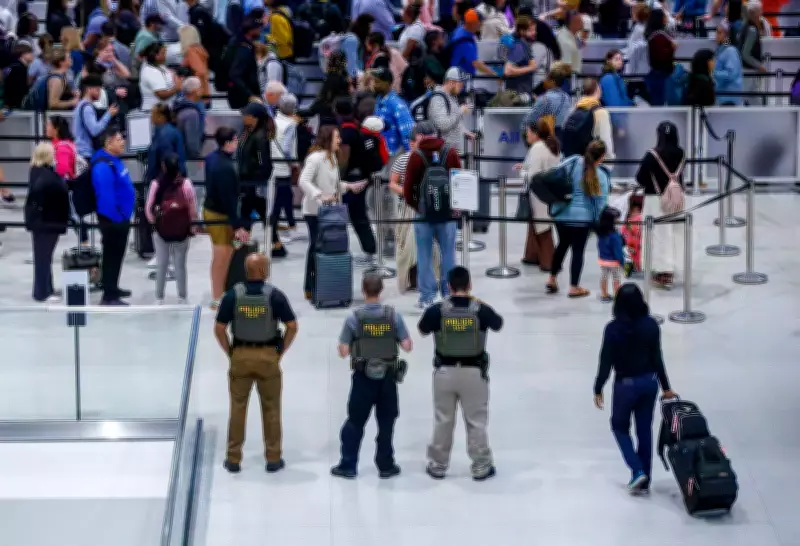
At Louis Armstrong International Airport in Kenner, Louisiana, ICE officers were observed patrolling the security checkpoint areas on Monday, March 23, 2026. Similar deployments have been reported at other major airports, though the Department of Homeland Security has not released a comprehensive list of affected locations.

Persistent Airport Congestion Challenges
Meanwhile, travelers continue to experience extended wait times at security checkpoints despite various efforts to streamline the screening process. The additional layer of security personnel has not alleviated these delays, with some passengers reporting even longer queues as they navigate the enhanced security environment.
Airport officials acknowledge the ongoing congestion issues but emphasize that security remains their top priority. "We are constantly evaluating our procedures to balance security needs with passenger convenience," stated a TSA spokesperson who requested anonymity as they were not authorized to speak publicly about the policy changes.
Policy Implications and Public Response
The deployment of ICE agents to TSA checkpoints reflects broader debates about immigration enforcement strategies and their integration into everyday American life. Supporters argue that this approach strengthens national security by creating additional layers of protection against potential threats. Critics, however, express concerns about mission creep and the potential for profiling of certain traveler demographics.
Travel industry analysts note that the combination of enhanced security measures and persistent wait times could impact passenger satisfaction and potentially influence travel decisions. Business travelers, in particular, have expressed frustration with the unpredictable screening times that complicate scheduling and connectivity.
Looking Ahead
As this new security configuration continues to evolve, several questions remain unanswered regarding its long-term implementation:
- How will ICE agents coordinate with existing TSA personnel during screening operations?
- What specific criteria will guide ICE interactions with travelers at checkpoints?
- Will additional resources be allocated to address the ongoing wait time concerns?
- How might this policy affect international perceptions of U.S. travel security?
The situation continues to develop as airports adapt to these new security realities while attempting to maintain efficient passenger flow through their facilities.