Strait of Hormuz Reopening Unlikely Without Iran War Ceasefire
United States President Donald Trump is urgently seeking to reopen the Strait of Hormuz to alleviate a mounting global energy crisis, but experts warn this goal remains unattainable without a ceasefire in the ongoing war with Iran. Despite proposals for multinational naval escorts, the strategic waterway continues to operate at minimal capacity under Tehran's de facto control.
Iran's Asymmetric Threats Disrupt Global Oil Flows
Iran's sporadic attacks on commercial vessels and persistent mine threats have reduced traffic through the vital strait to a mere trickle. The waterway typically carries approximately one-fifth of the world's oil supplies, and the current disruption has triggered production cuts, fuel shortages, and price increases across Asia, Europe, and Africa. Tehran's layered capabilities—including mines, fast attack craft, submarines, and drones—create a formidable barrier to safe passage.
"It could take several weeks to secure the Strait of Hormuz," said Bob McNally, president of Rapidan Energy Group and former White House official. "Until we've neutralized Iran's asymmetric capabilities, we won't want to put commercial or even escort ships through."

Limited Impact of Proposed Naval Coalition
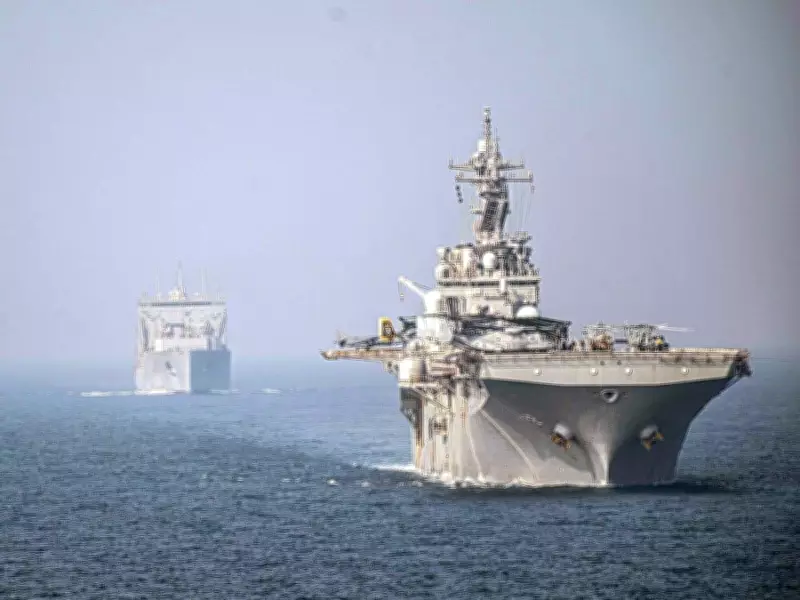
President Trump has been pressing allies to contribute warships for a multinational escort mission, but European and Asian partners remain reluctant. Governments from Berlin to Tokyo question whether additional naval presence would meaningfully counter Iran's ability to threaten vessels. Officials suggest that more ships would add little beyond the substantial U.S. military presence already stationed in the region.
On Tuesday, Trump responded to the lack of international enthusiasm by declaring that the U.S. no longer requires assistance from NATO countries or partners like Japan, Australia, and South Korea—though he didn't specifically mention Hormuz operations.
Current Transit Operates on Iran's Terms
With the war continuing, the limited transit occurring through the strait appears to function exclusively on Iran's terms. A handful of vessels have managed passage by hugging the Iranian coastline, suggesting that access depends on Tehran's approval rather than external protection. This creates a system where the strait isn't formally closed but remains effectively controlled, keeping normal commercial flows far out of reach.
United Kingdom Prime Minister Keir Starmer emphasized the complexity of the situation on Monday, stating that opening the Strait of Hormuz is "not straightforward" and that Britain won't be dragged into the conflict. French President Emmanuel Macron similarly indicated that France won't participate in operations currently but remains ready to collaborate on escort systems when conditions stabilize.
Historical Precedents Suggest Limited Success
Skeptics of the U.S. escort proposal point to recent history in the Red Sea, where Houthi militias in Yemen successfully disrupted traffic through the Bab al-Mandeb strait despite extensive bombing campaigns by the U.S. and allied forces. This precedent underscores how asymmetric threats can persist even against superior military power.
The ongoing situation demonstrates that even if a ceasefire were achieved, Iran might continue intermittent disruptions as leverage, maintaining enough risk to keep the route commercially unviable. The fundamental challenge remains: without a truce in the Iran war, the Strait of Hormuz will likely stay constrained, perpetuating the global energy crisis that prompted the reopening efforts.