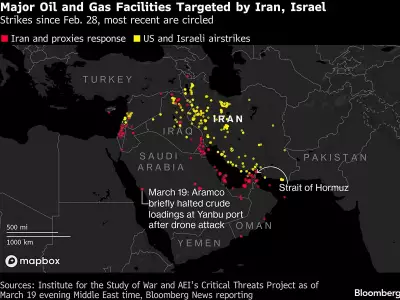
WASHINGTON — Defense Secretary Pete Hegseth on Thursday refused to outline a specific timeline for concluding President Donald Trump's military campaign against Iran, a conflict the former Fox News personality had previously suggested might wrap up by this weekend. During a briefing at the Pentagon, Hegseth emphasized that the United States' most significant armed engagement in two decades remains "on track," but its termination hinges solely on Trump's discretion, with no predetermined end date established.
Uncertain Duration Amid Earlier Projections
Hegseth told reporters, "It will be at the president's choosing ultimately where we say, hey, we've achieved what we need to on behalf of the American people to ensure our security. So no, no time set on that, but we're very much on track." This statement contrasts with Trump's initial remarks at the onset of the attacks, where he projected the war could last four to five weeks, though he noted the U.S. possesses the "capability" to sustain operations for an extended period if necessary.
Shifting Timelines and Operational Pace
Earlier, on March 4, just days after the air assault commenced on February 28, Hegseth indicated the conflict might conclude even sooner. He remarked, "You know, you can say four weeks, but it could be six, it could be eight, it could be three. Ultimately, we set the pace and the tempo." The original three-week timeframe would have expired by Friday, with the fourth week beginning overnight into Saturday. However, there are no current signs that the United States plans to halt the attacks or withdraw the substantial deployment of ships, aircraft, and personnel stationed in the Middle East for what Trump has termed "an excursion."

Financial Implications and Funding Requests
In addition to discussing the war's duration, Hegseth confirmed on Thursday that the White House intends to pursue a substantial supplemental appropriations package from Congress to cover the escalating costs of the conflict. Officials have estimated that the war is incurring expenses as high as $2 billion daily. Hegseth elaborated, "As far as $200 billion, I think that number could move. Obviously, it takes money to kill bad guys. So we're going back to Congress and folks there to — to ensure that we're properly funded for what's been done, for what we may have to do in the future, ensure that our ammunition is — everything's refilled and not just refilled, but above and beyond."
This funding request underscores the significant financial burden associated with the ongoing military operations, highlighting the administration's commitment to maintaining robust logistical and operational support. The lack of a clear endpoint, coupled with the substantial daily expenditures, raises questions about the long-term strategic and economic impacts of the conflict, as policymakers and the public await further developments from the Trump administration.