U.S. Defense Secretary Pete Hegseth has publicly defended recent military strikes targeting suspected drug cartel vessels, framing the actions within the broad executive powers of President Donald Trump. The remarks, made in early December 2025, underscore an assertive interpretation of presidential authority in matters of national security and border enforcement.
Defending the Decision to Strike
Speaking in support of the administration's actions, Hegseth articulated a position that grants the Commander-in-Chief significant leeway. The Defense Secretary stated that President Trump can order the use of military force 'as he sees fit' to address threats, particularly those posed by transnational criminal organizations operating near U.S. maritime borders. This defense follows operational reports of U.S. forces engaging boats allegedly linked to narcotics trafficking networks.
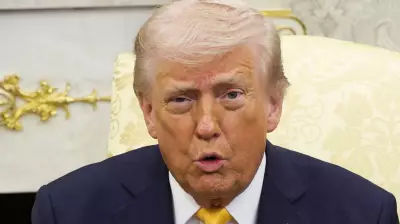
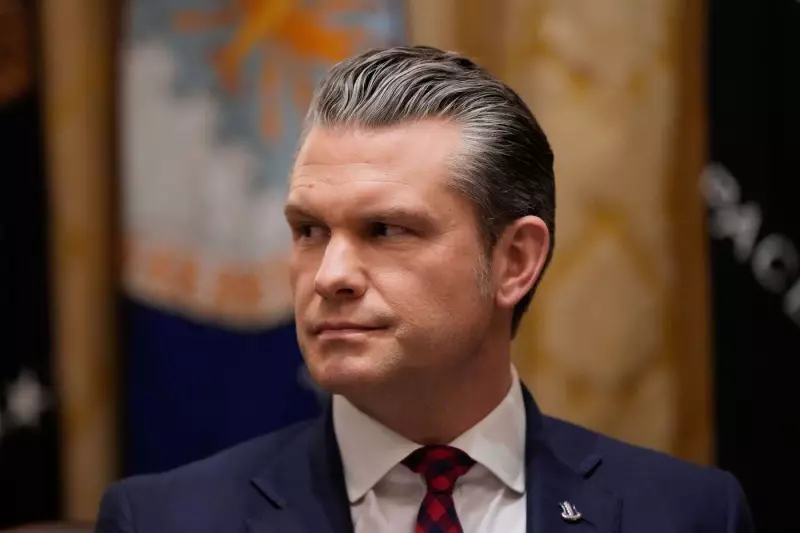
The context for Hegseth's comments was a Cabinet meeting held at the White House on Tuesday, December 2, 2025. Official photographs from the event show Hegseth listening intently as President Trump addressed the room. The public justification indicates the strikes were likely preemptive or responsive actions against what the administration perceived as imminent threats from cartel operations.

The Legal and Political Framework
Hegseth's assertion taps into a long-standing and often contentious debate over the scope of presidential war powers. By stating the president can act 'as he sees fit,' the Defense Secretary is emphasizing an executive-centric view of national security decision-making. This perspective often minimizes the gatekeeping role of congressional approval for prolonged military engagements, relying instead on the president's constitutional role as commander-in-chief and inherent authority for immediate defense.
This stance is likely to provoke scrutiny from legislative bodies and legal scholars concerned about checks and balances. The strikes, which occurred in late 2025, represent a direct application of this philosophy, using military assets for what has traditionally been a law enforcement mission against drug smuggling. The administration appears to be categorizing certain cartel activities as national security threats, thereby justifying a military response.
Implications for Security and Policy
The policy of directly targeting cartel infrastructure with military force marks a significant escalation in the U.S. approach to combating drug trafficking. It signals a shift from interdiction and prosecution to a more confrontational, tactical campaign. Analysts will be watching closely for the cartels' response and any potential impact on the flow of illicit drugs.
Furthermore, Hegseth's robust defense of unilateral executive action sets a precedent for how the current administration may handle similar crises. It reinforces a doctrine of proactive military engagement against non-state actors deemed to threaten U.S. interests, even in ambiguous jurisdictional environments. The coming weeks may reveal more operational details and the legal rationale provided to congressional oversight committees.
As of early December 2025, the full aftermath of the strikes—including any casualties, material losses, or diplomatic repercussions—remains part of an ongoing operational narrative. However, Hegseth's public comments have firmly placed the administration's rationale in the public domain, championing presidential discretion as the cornerstone of this aggressive security tactic.