U.S. Defence Secretary Pete Hegseth has voiced his full support for a controversial military action in the Caribbean, stating he would have made the same decision to launch a follow-up attack on a suspected drug smuggling vessel.
Defence Secretary's Firm Stance on September 2nd Operation
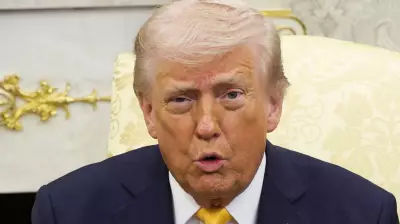
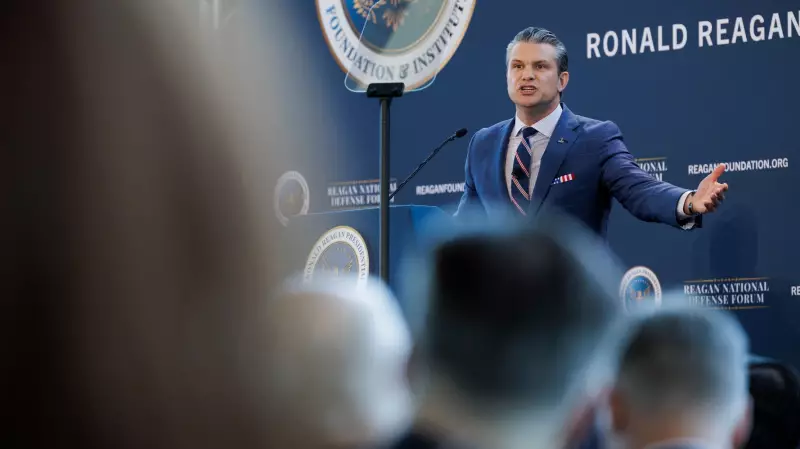
Speaking at the Reagan National Defence Forum in Simi Valley, California on Saturday, December 6, Hegseth addressed the incident directly. "I fully support that strike," Hegseth declared. "I would have made the same call myself." The operation in question occurred on September 2 and involved a U.S. military strike on a boat suspected of drug trafficking.
Hegseth recounted that he witnessed the initial strike but then left the room to attend another meeting. He declined to comment on whether the administration would release the full video of the incident, stating the matter was "under review."

Contradictory Accounts and Law of War Concerns
The Secretary's comments come days after a closed-door briefing for U.S. lawmakers, where a video of the attack was shown. According to reports, the footage revealed that the commander overseeing the operation ordered a second strike to eliminate two survivors, allegedly to comply with a directive from Hegseth that everyone on the boat should be killed.
However, officials from President Donald Trump's administration have denied this chain of command. They assert that Hegseth did not order the additional strike. Instead, they claim Admiral Frank Bradley, then head of the Joint Special Operations Command, concluded the boat's wreckage needed to be neutralized because it might have contained cocaine.
The video reportedly showed two shirtless men clinging to wreckage after the first strike. They were unarmed and had no visible communications equipment. This detail has raised significant legal and ethical questions, as the U.S. Defence Department's own Law of War Manual explicitly forbids attacking combatants who are "incapacitated, unconscious or shipwrecked," provided they are not hostile or attempting to escape. The manual cites firing on shipwreck survivors as an example of a "clearly illegal" order that should be refused.
Escalating Campaign and Broader Implications
The September 2 attack was the first in a series of 22 strikes on vessels in the southern Caribbean and Pacific Ocean. This campaign is part of the Trump administration's intensified effort to stem the flow of illegal drugs into the United States, which it frames as a war against drug cartels, labelling them as armed groups.
To date, these military actions have resulted in 87 fatalities. The most recent strike occurred in the eastern Pacific on Thursday, just two days before Hegseth's public remarks in California.
The accounts of the September 2 incident have prompted serious concerns among some observers and legal experts that U.S. forces may have committed a war crime. The administration's justification hinges on classifying the drug interdiction operations as acts of war against non-state armed groups, a legal characterization that remains fiercely debated.