U.S. Defense Secretary Pete Hegseth has declared a new, intensified effort to "eliminate" remaining Islamic State fighters in Syria. This decisive announcement comes in direct response to a recent attack that claimed the lives of two American soldiers and a civilian interpreter.
A Tragic Catalyst for Renewed Action
The Pentagon's renewed focus was triggered by a fatal incident in Syria on or around December 17, 2025. The attack resulted in the deaths of Sgt. William Nathaniel Howard, 29, of Marshalltown, Iowa, and Sgt. Edgar Brian Torres-Tovar, 25, of Des Moines, Iowa. Also killed was their civilian interpreter, Ayad Mansoor Sakat.
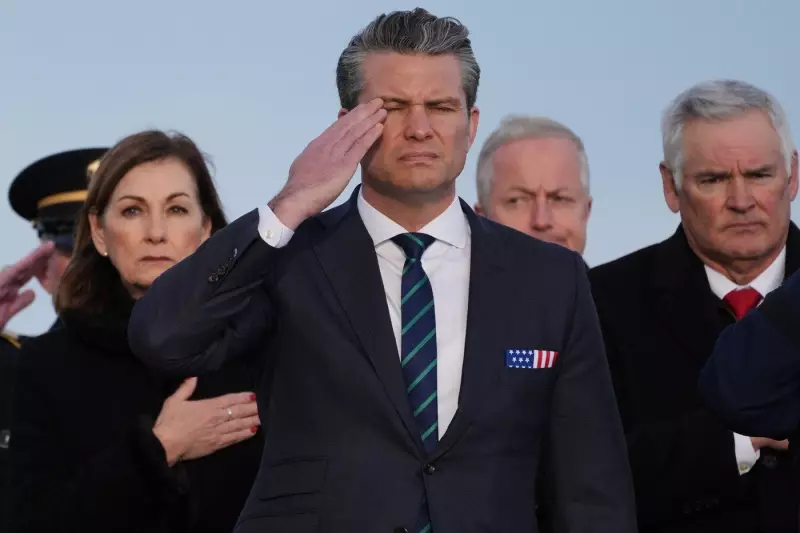
Secretary Hegseth honored the fallen during a dignified transfer ceremony at Dover Air Force Base in Delaware on Wednesday, December 17. The somber event underscored the ongoing human cost of operations against ISIS remnants in the region.

The Strategic Pivot in Syria
While specific operational details of the new campaign remain classified, Hegseth's language indicates a significant escalation. The term "eliminate" suggests a shift towards more aggressive, targeted operations aimed at degrading the militant group's remaining infrastructure and leadership in Syria.
This move reaffirms the United States' commitment to the long-term mission of preventing an ISIS resurgence, even as the primary territorial caliphate was dismantled years earlier. The persistent threat from scattered cells has continued to necessitate a U.S. military presence and periodic interventions.
Context and Implications for Regional Stability
The announcement highlights the complex and enduring security challenges in Syria. The country remains fractured by conflict, providing pockets where extremist groups can operate. The U.S.-led effort, often conducted in partnership with local Kurdish-led forces, aims to keep pressure on these networks.
For Canada and other international partners, this development is a stark reminder of the global threat posed by transnational terrorism. It also points to the ongoing geopolitical complexities in the Middle East, where Western military forces continue to engage in counter-terrorism missions with no immediate end in sight.
The deaths of the Iowa National Guard soldiers and their interpreter serve as a painful catalyst for this policy reinforcement, ensuring that the fight against the Islamic State remains a top priority for the U.S. Department of Defense as the year 2025 concludes.