Persian Gulf War Veterans Continue Battle for Recognition 35 Years Later
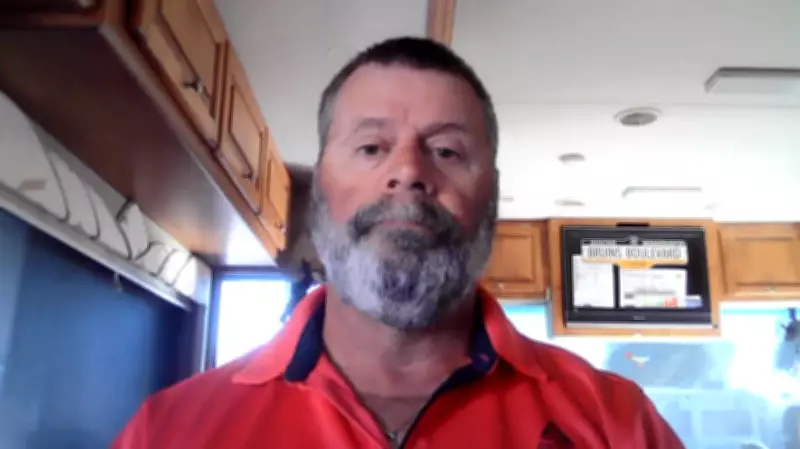
More than three decades after the conclusion of the Persian Gulf War, Canadian veterans like Denis Cote are still engaged in a persistent fight for improved recognition and support from governmental bodies. This ongoing struggle underscores significant and enduring challenges within the nation's veteran affairs system, where many feel their service and sacrifices have been inadequately acknowledged.
A Prolonged Struggle for Acknowledgement
The conflict, which took place in the early 1990s, involved numerous Canadian Armed Forces personnel who participated in operations. Despite the passage of 35 years, veterans argue that the full scope of their contributions and the subsequent health issues many face have not been properly addressed. Denis Cote, a veteran featured in recent coverage, exemplifies this battle, representing a broader community of servicemen and women who seek greater respect and resources.
Many veterans report facing bureaucratic hurdles and a lack of comprehensive benefits, which complicates their access to necessary medical care and financial assistance. This situation has led to widespread frustration, as individuals who served their country feel abandoned in their later years. The call for better recognition is not merely about symbolic gestures but involves tangible support systems that can significantly impact quality of life.

Systemic Issues in Veteran Affairs
The challenges highlighted by Persian Gulf War veterans point to larger systemic issues within Canada's approach to military service recognition. Advocates emphasize that timely and effective support is crucial, yet many veterans experience delays and insufficient responses when seeking help. This gap in care can exacerbate physical and mental health conditions, some of which are directly linked to their deployment.
Key concerns include:
- Inadequate healthcare coverage for war-related injuries and illnesses.
- Limited financial aid and pension benefits for veterans and their families.
- Insufficient public awareness and education about the Gulf War's impact on Canadian troops.
These issues are compounded by the aging veteran population, making the need for robust support systems more urgent than ever. Without significant policy changes and increased funding, veterans risk falling through the cracks of a system that was designed to assist them.
The Path Forward for Recognition
To address these longstanding grievances, veterans and their supporters are calling for a multi-faceted approach. This includes enhanced governmental initiatives, improved outreach programs, and greater collaboration between veteran organizations and public institutions. Increasing public awareness through education and media coverage is also seen as vital to fostering a national conversation about the sacrifices made by military personnel.
Moreover, there is a push for more research into the long-term health effects of Gulf War service, which could inform better healthcare policies. By acknowledging the full extent of veterans' experiences, Canada can work towards a more equitable and supportive environment for those who have served.
As Denis Cote and his fellow veterans continue their advocacy, their efforts highlight a critical need for ongoing commitment to military personnel beyond their active service years. The fight for recognition is not just about the past but about ensuring a dignified future for all who have worn the uniform.