Gulf Arab Nations Intercept New Missile and Drone Attacks as Iran Threatens to Broaden War
In a significant escalation of regional tensions, Gulf Arab states have successfully intercepted a fresh wave of missiles and drones launched toward their territories. This development comes as Iran openly threatens to widen the ongoing Middle East conflict, raising alarms across international security circles. The interceptions highlight the increasing volatility in the region and the sophisticated defense systems deployed by Gulf nations to protect their airspace.
Iran's Expanding Threats and Regional Implications
Iranian officials have issued stark warnings about broadening the scope of the war, potentially drawing more nations into the conflict. These threats follow a pattern of heightened rhetoric and military posturing that has characterized Iran's approach in recent months. The situation underscores the fragile balance of power in the Middle East, where any miscalculation could lead to widespread regional destabilization.
The intercepted attacks targeted critical infrastructure and populated areas, though specific locations and damage assessments remain classified for security reasons. Military analysts note that the frequency and sophistication of these attacks have increased, suggesting a coordinated effort to test and overwhelm regional defense systems.

Global Energy Markets and Security Concerns
The conflict has already begun to impact global energy markets, with oil prices experiencing volatility due to supply chain disruptions and geopolitical uncertainty. Gulf states, as major energy exporters, play a crucial role in maintaining global oil stability, making their security a matter of international importance. Economic analysts warn that prolonged conflict could lead to sustained energy price increases, affecting economies worldwide.
Furthermore, the situation has prompted renewed discussions about international security alliances and defense cooperation. Many nations are reassessing their strategic partnerships in the region, with some calling for enhanced diplomatic efforts to de-escalate tensions before they spiral further out of control.
Humanitarian and Civilian Impact
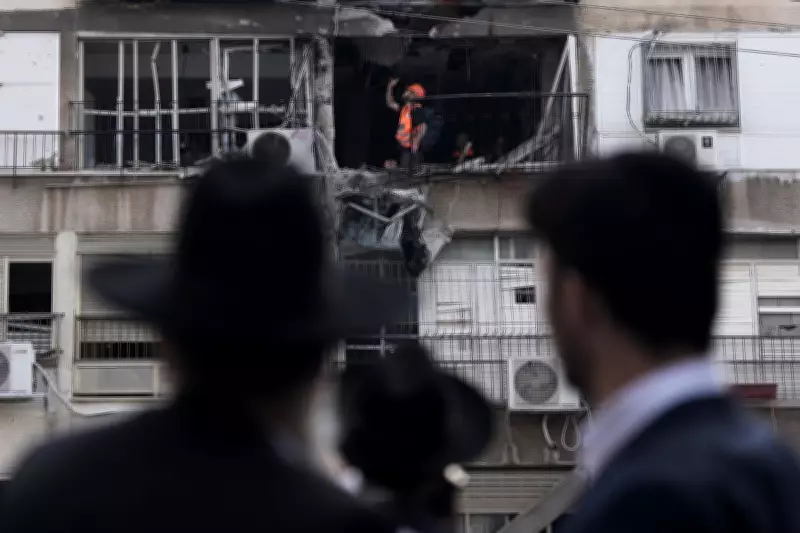
Beyond the military and economic dimensions, the conflict continues to take a heavy toll on civilian populations. Reports from affected areas describe growing humanitarian crises, with displacement, infrastructure damage, and access to essential services becoming increasingly problematic. International aid organizations are mobilizing resources, but access remains challenging due to ongoing hostilities.
The psychological impact on communities living under the threat of attack cannot be overstated. Many residents have experienced repeated air raid sirens and shelter-in-place orders, creating an atmosphere of constant anxiety and uncertainty about the future.
Looking Ahead: Diplomatic and Military Responses
As the situation evolves, diplomatic channels are being actively pursued by multiple international actors seeking to prevent further escalation. However, the effectiveness of these efforts remains uncertain given the complex web of regional alliances and historical grievances. Military preparedness continues to be a top priority for Gulf states, with ongoing investments in advanced defense technologies and joint exercises with allied nations.
The coming weeks will be critical in determining whether the conflict can be contained through diplomatic means or whether Iran's threats of expansion will materialize into broader regional warfare. Global observers are closely monitoring developments, aware that the stakes extend far beyond the Middle East to affect international security architecture and economic stability worldwide.