Greenland Security Concerns Spotlight Canada's Arctic Investment Gap
As international attention increasingly focuses on the geopolitically sensitive Arctic region, security experts are sounding the alarm about Canada's need to bolster its northern capabilities. Recent developments concerning Greenland have underscored the vulnerabilities in the High North, prompting calls for immediate and substantial investment in Canada's Arctic defense, surveillance, and infrastructure.
Growing International Scrutiny on the Arctic
The Arctic has become a focal point for global powers, with melting ice opening new shipping routes and access to valuable resources. This heightened interest has transformed the region into an arena of strategic competition. Canada's vast northern territories, spanning over 40% of the country's land mass, are now facing unprecedented security challenges that require a robust and proactive response from Ottawa.
Experts point to Greenland as a critical case study. The autonomous Danish territory has seen increased foreign interest, particularly from China, which has invested in infrastructure projects and sought to expand its influence. This external pressure on Greenland serves as a stark warning for Canada, highlighting how remote northern regions can become targets for geopolitical maneuvering.

Training in Extreme Conditions
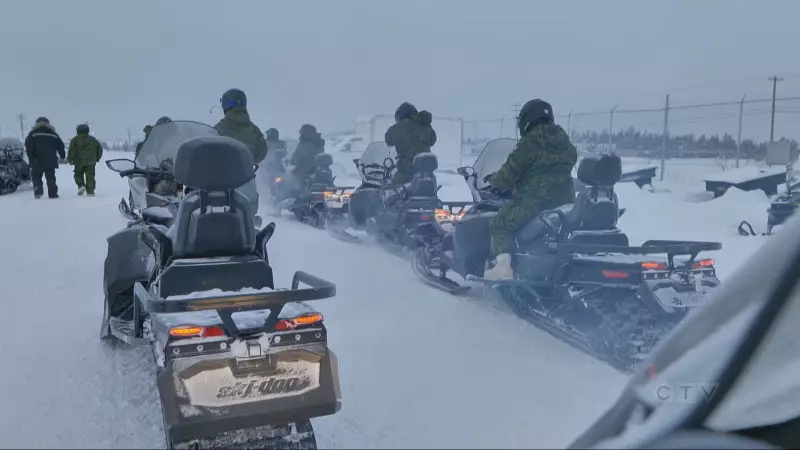
In response to these emerging threats, Canadian Armed Forces have intensified their training operations in extreme northern environments. These exercises are designed to enhance military readiness in some of the world's most challenging terrain and climate conditions. Specialized cold-weather operations, survival training, and Arctic warfare tactics have become essential components of Canada's defense strategy as the security landscape evolves.
However, military experts argue that training alone is insufficient. They emphasize that comprehensive investment in northern infrastructure—including enhanced surveillance systems, improved transportation networks, and strengthened communication capabilities—must accompany these training initiatives to create a truly effective Arctic security framework.
The Broader Context of Climate Change
The security challenges in the Arctic are inextricably linked to climate change. As sea ice continues to retreat at alarming rates, previously inaccessible areas are opening to navigation and resource exploration. This environmental transformation has created both opportunities and vulnerabilities for northern nations like Canada.
Climate change impacts are creating new security dimensions that require innovative approaches. Melting permafrost threatens existing infrastructure, while changing weather patterns affect operational capabilities. Experts stress that Canada's Arctic investment strategy must address these climate-related challenges alongside traditional security concerns to ensure long-term resilience in the North.
Call for Comprehensive Investment Strategy
Security analysts are urging the Canadian government to develop and implement a comprehensive Arctic investment strategy that addresses multiple fronts simultaneously. Key recommendations include:
- Substantial funding for northern infrastructure projects, including ports, airstrips, and roads
- Enhanced surveillance and monitoring capabilities through advanced satellite technology
- Increased support for Indigenous communities who serve as crucial partners in northern security
- Strengthened international cooperation with Arctic allies, particularly the United States
- Investment in research and development for cold-weather technologies and equipment
The situation in Greenland has provided a clear warning signal that Canada cannot afford to delay these critical investments. As global attention continues to shift northward, the country's ability to protect its sovereignty and maintain stability in the Arctic will depend on decisive action and sustained commitment to northern development.