U.S. Golden Dome Defense Initiative Sees Budget Surge to $185 Billion
The United States Department of Defense has significantly increased the projected cost for its advanced Golden Dome missile defense system, now estimating a staggering $185 billion for full development and deployment. This revised figure, announced on March 17, 2026, represents a substantial escalation from earlier projections and underscores the expanding scope and technological ambitions of this critical national security program.
Strategic Expansion and Contractor Involvement
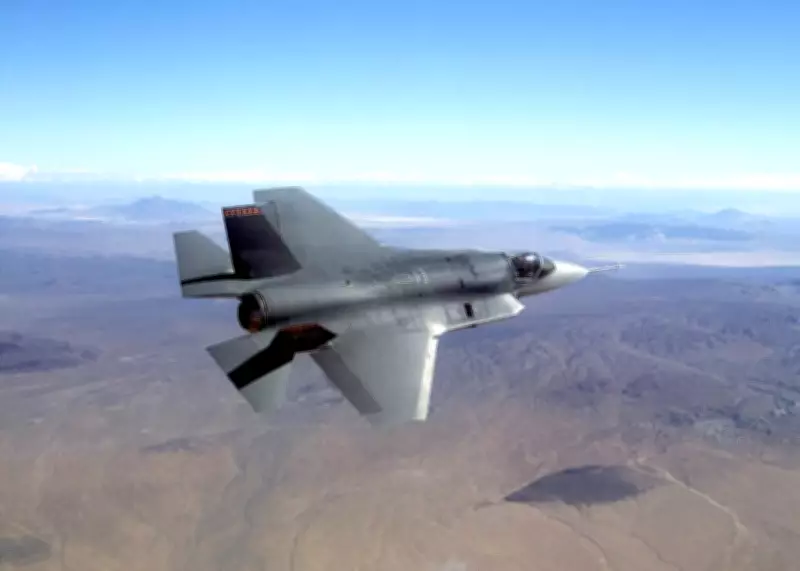
In conjunction with the revised budget, defense officials have confirmed the formal enlistment of leading aerospace and defense corporations to spearhead various components of the Golden Dome initiative. Among the primary contractors is Northrop Grumman Corporation, a key player in advanced military technology, which has been involved in preliminary development phases, including work related to the F-35 Joint Strike Fighter program. The involvement of such established firms signals a concerted effort to leverage existing expertise in stealth technology, systems integration, and missile defense architecture.
The Golden Dome system is designed as a comprehensive, layered defense network, intended to protect against a diverse array of aerial threats, including ballistic missiles, cruise missiles, and hypersonic vehicles. The cost increase is attributed to several factors, including enhanced sensor capabilities, the integration of artificial intelligence for threat detection and response, and the need for widespread infrastructure deployment across multiple domestic and allied territories.

Budget Implications and Program Timeline
This budgetary adjustment arrives amid broader discussions concerning federal spending priorities and national security investments. The $185 billion estimate encompasses research, development, testing, evaluation, and initial operational costs over the coming decade. Defense analysts note that such figures are subject to further revision as technological challenges and geopolitical dynamics evolve.
"The escalation in projected costs reflects the complexity and scale of achieving a resilient, next-generation missile defense shield," commented a senior defense procurement official familiar with the program. "Engaging top-tier defense contractors ensures we have the necessary industrial base and innovation pipeline to meet these ambitious objectives."
Program managers outline a phased implementation strategy, with initial capability milestones targeted for the early 2030s. The expanded contractor team, which includes other major defense entities beyond Northrop Grumman, will collaborate on subsystems ranging from ground-based interceptors and space-based sensors to advanced command-and-control software.
Global Context and Strategic Significance
The Golden Dome initiative is viewed as a cornerstone of U.S. defense strategy in an era marked by advancing missile technologies from potential adversaries. Its development is closely monitored by international allies and partners, with possibilities for future integration into collective security frameworks. The program's growth also highlights ongoing trends in defense spending, where large-scale, high-tech projects increasingly dominate budgetary allocations.
As the project moves forward, congressional oversight committees are expected to scrutinize the cost trajectory and technological feasibility closely. The involvement of renowned defense firms like Northrop Grumman provides a measure of confidence in the program's execution but also raises questions about cost control and schedule adherence given the historical challenges associated with major defense acquisitions.