Germany Expels Russian Diplomat Accused of Espionage, Moscow Promises Retaliation
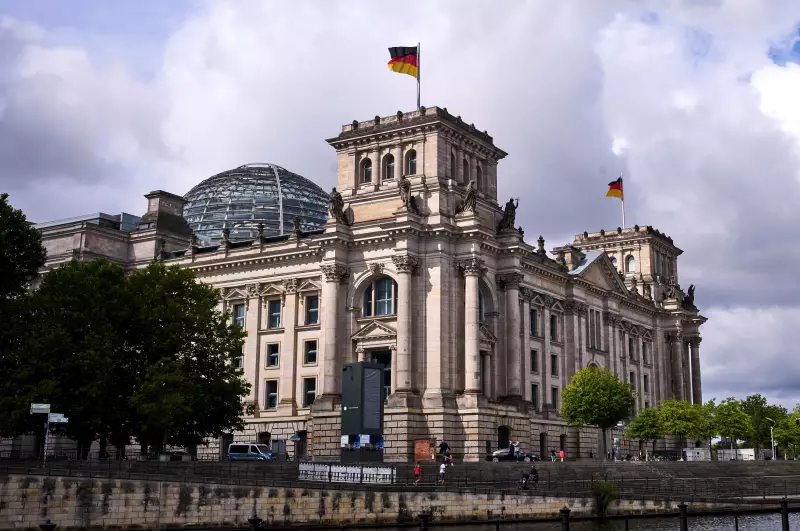
In a significant diplomatic move, Germany has expelled a Russian diplomat who is alleged to have been operating as an intelligence handler on German soil. The decision, announced on January 22, 2026, underscores the escalating tensions between the two nations and has drawn a swift promise of retaliation from Moscow.
Details of the Expulsion and Allegations
The German government has not publicly named the individual involved, but sources indicate that the diplomat was suspected of coordinating espionage activities targeting German political and economic interests. This action follows a pattern of similar expulsions in recent years, as Western nations grapple with alleged Russian intelligence operations abroad.
The expulsion was carried out under the framework of the Vienna Convention on Diplomatic Relations, which allows host countries to declare diplomats persona non grata for activities deemed incompatible with their status. German officials have cited national security concerns as the primary justification for this measure.

Moscow's Response and Diplomatic Fallout
In response, the Russian Foreign Ministry has condemned the expulsion as unfounded and politically motivated, vowing to take reciprocal measures. A spokesperson for the ministry stated that such actions damage bilateral relations and warned of consequences, though specific details of Moscow's planned retaliation were not immediately disclosed.
This incident adds to a series of diplomatic spats between Germany and Russia, which have been strained by issues ranging from the conflict in Ukraine to cyberattacks and energy disputes. The expulsion is likely to further complicate efforts to maintain dialogue and cooperation on international matters.
Broader Implications for International Relations
The move by Germany reflects a broader trend among NATO allies to counter perceived Russian espionage threats. It highlights the ongoing challenges in balancing diplomatic engagement with security imperatives in an era of geopolitical rivalry.
Experts suggest that such expulsions, while symbolic, can have tangible effects on diplomatic channels and intelligence-sharing mechanisms. The situation underscores the fragile state of German-Russian relations and the potential for further escalation if tensions are not managed carefully.
As both nations assess their next steps, the international community will be watching closely to see how this development impacts broader European security dynamics and the already complex landscape of global diplomacy.