Former Defence Chief Issues Stark Warning on Canada's Arctic Sovereignty
In an exclusive analysis, retired General Tom Lawson, the former chief of the defence staff, has delivered a sobering assessment of Canada's position in the Far North. Lawson contends that the nation can no longer afford to merely assert its claims over the Arctic; it must back those claims with tangible, robust action. The geopolitical and environmental shifts in the region demand a more proactive and resolute stance from Canadian authorities.
Deployment Challenges Highlight Strategic Vulnerability
General Lawson pointed to a critical operational hurdle: it is currently more difficult for the Canadian Armed Forces to deploy personnel and assets to Canada's own Arctic archipelago than to Greenland. This logistical disparity underscores a significant gap in Canada's northern defence capabilities. Greenland, while geographically part of the Arctic, is under the administration of Denmark, yet appears more accessible for military operations than vast stretches of Canadian territory.
This revelation points to deeper issues within Canada's northern strategy, including potential shortcomings in infrastructure, specialized equipment, and sustained presence. The Arctic is not a static frontier; it is a dynamic region where climate change is opening new sea lanes and increasing international interest in resource exploration and strategic positioning.

The High Cost of Inaction in a Changing North
The general's analysis arrives at a pivotal moment. As ice recedes, the Arctic's strategic and economic importance grows exponentially. Other nations, including Russia and China, are investing heavily in their polar capabilities. Lawson's warning suggests that Canada risks being outpaced if it continues to rely on historical claims without the contemporary means to enforce and protect them.
Effective sovereignty is demonstrated through presence and control, not just through maps and declarations. The difficulty in deploying forces to the archipelago could hamper search and rescue operations, environmental monitoring, and the ability to respond to unauthorized incursions or security threats.
A Call for Renewed Commitment and Investment
Lawson's commentary serves as a clarion call for a comprehensive review and bolstering of Canada's Arctic defence and security posture. This likely entails increased investment in:
- Enhanced Infrastructure: Building and maintaining runways, ports, and forward operating bases capable of supporting year-round military operations.
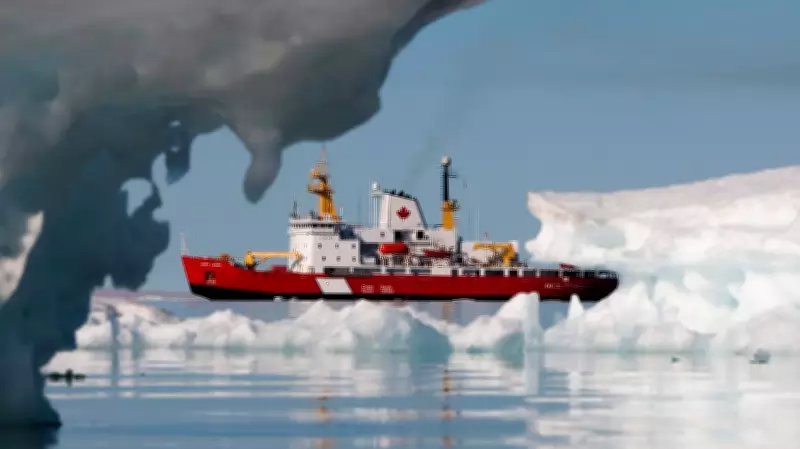
- Specialized Assets: Procuring ice-capable vessels, long-range surveillance aircraft, and other equipment designed for extreme northern conditions.
- Personnel and Training: Expanding the ranks of personnel trained for Arctic warfare and survival, and ensuring regular, substantive deployments to the region.
- Domain Awareness: Improving satellite surveillance, underwater monitoring, and intelligence-gathering capabilities across the vast northern expanse.
The former defence chief's analysis moves the conversation beyond abstract policy debates into the realm of practical, operational necessity. It challenges policymakers, military planners, and the public to consider what authentic sovereignty looks like in the 21st-century Arctic and what price Canada is willing to pay to secure it.
The time for passive claims has passed, Lawson implies. The emerging reality of the Arctic demands a visible, capable, and persistent Canadian presence to safeguard national interests in this rapidly evolving frontier.