A former high-ranking Canadian military official has issued a stark warning, claiming the United States has "underestimated" Iran's means to engage in conflict. This assessment comes amid heightened geopolitical tensions and ongoing discussions about regional security dynamics.
Expert Analysis on Iran's Military Preparedness
The retired general, drawing from extensive experience in defense strategy, emphasized that Western intelligence, particularly from the U.S., has failed to fully account for Iran's evolving military capabilities. He pointed to advancements in missile technology, asymmetric warfare tactics, and regional proxy networks as key factors that enhance Iran's ability to sustain a prolonged conflict.
Strategic Implications for Global Security
This miscalculation, according to the former officer, could have serious repercussions for international stability. He noted that underestimating an adversary's resilience and resources often leads to flawed policy decisions and escalatory risks. The general's comments underscore the complexity of modern warfare, where non-traditional means and hybrid strategies play increasingly significant roles.

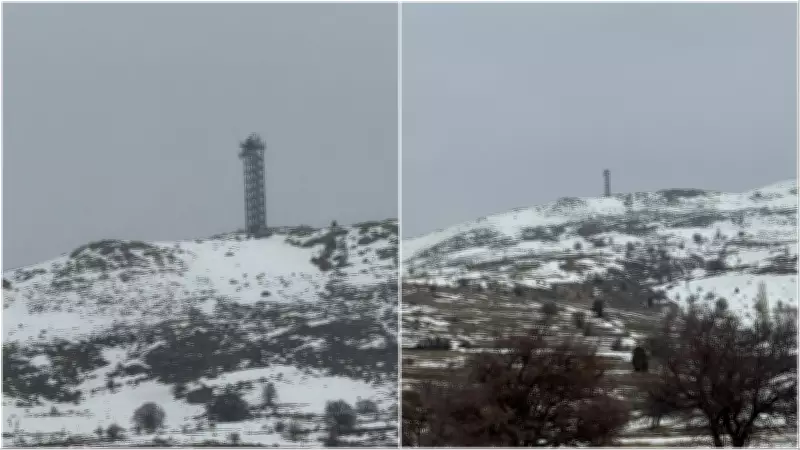
The analysis also touches on broader NATO considerations, referencing facilities like the Kurecik Radar Base, which hosts advanced defense systems. Such installations are critical in monitoring threats, but their effectiveness depends on accurate threat assessments.
Context of Regional and Domestic Issues
While focusing on Iran, the general's remarks intersect with various domestic Canadian stories, from provincial funding cuts for supervised consumption sites in Ottawa to concerns over flooding in St-Leonard as spring approaches. These local issues highlight the multifaceted challenges governments face, balancing international security with community needs.
In related news, other reports detail events like the Kraft Hockeyville competition in Taber, Alberta, and entrepreneurial programs for kids in Moose Jaw, showcasing Canada's diverse societal fabric. However, the general's warning serves as a reminder of the persistent global threats that require vigilant and informed defense policies.
Ultimately, the former general's insights call for a reevaluation of intelligence frameworks and a more nuanced understanding of Iran's military posture to prevent strategic surprises and promote peace through preparedness.