In a significant geopolitical development, European military personnel have arrived in Greenland. This deployment coincides with diplomatic talks between the United States and Denmark, which officials have described as "very constructive" but also highlighted a clear "disagreement" regarding the future of the vast Arctic island. The situation underscores deepening tensions within the NATO alliance over strategic interests in the High North.
A Constructive Yet Tense Diplomatic Exchange
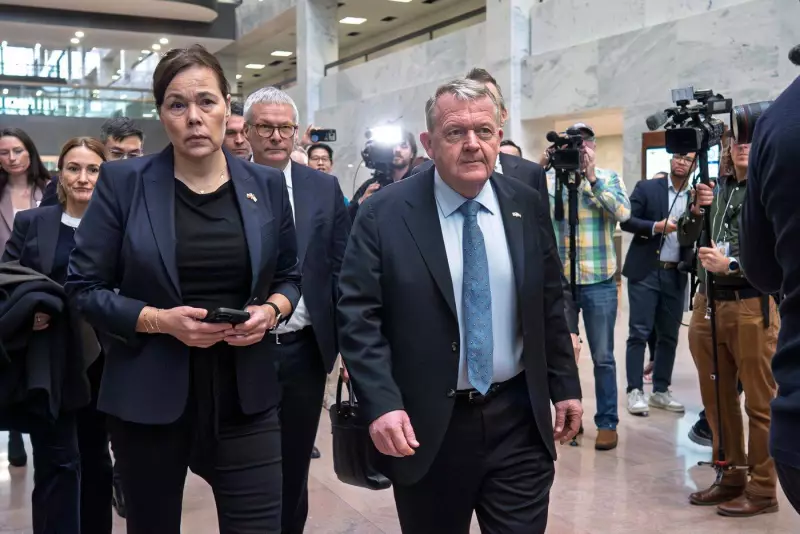
The diplomatic front remains active, with Denmark's foreign affairs minister characterizing recent talks with U.S. counterparts as "very constructive." However, the constructive tone belies a fundamental clash of perspectives. The core issue revolves around the long-term status and control of Greenland, a semi-autonomous territory within the Kingdom of Denmark. This "disagreement" was explicitly acknowledged by officials, pointing to unresolved tensions despite ongoing dialogue.
The arrival of European troops on the island serves as a tangible counterpoint to the diplomatic discussions. While the exact number and national composition of the forces were not detailed in the initial report, their presence is a direct response to the heightened rhetoric and strategic posturing concerning Greenland's future. This move is widely interpreted as a signal of European commitment to the existing territorial framework and a reinforcement of Denmark's sovereignty.

Local Anxiety and Alliance Rifts
The escalating situation is causing palpable concern among Greenland's residents. Reports indicate that visits by U.S. officials to the Arctic island have been met with worry by the local population, who are caught in the middle of a great power dispute. A Danish member of parliament captured the sentiment of many, calling the entire situation "very absurd."
This dispute over Greenland is not occurring in a vacuum. Analysts warn that the Greenland rift exposes deepening cracks in NATO unity. The alliance, built on a foundation of collective defense and shared strategic interests, is facing a rare public divergence between two of its most powerful members over a territorial issue. The arrival of European forces, distinct from a unified NATO response, further emphasizes this fracture.
Broader Context and Canadian Implications
The geopolitical maneuvering places Canada in a pivotal position. As an Arctic nation with significant territory and interests in the region, Canada is directly affected by any instability or shift in the balance of power in the North. Experts note that Canada is "right in the middle" of the implications stemming from the U.S. stance on Greenland. The situation forces Ottawa to carefully navigate its relationships with its closest ally, the United States, and its NATO partner, Denmark, while safeguarding its own Arctic sovereignty.
The timeline of events is critical. The troop movement and diplomatic talks were reported on January 15, 2026. This follows a pattern of increased U.S. interest in Greenland, which has previously included rhetoric from political figures about the potential for acquiring the territory. The current deployment and diplomatic stalemate represent a significant escalation from mere rhetoric to concrete military and political actions.
As the standoff continues, the focus remains on whether diplomatic channels can bridge the fundamental "disagreement" or if the arrival of troops marks the beginning of a more entrenched and militarized dispute in the strategically vital Arctic region.