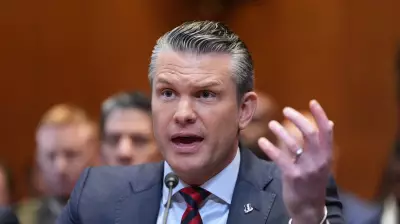
The United States Drug Enforcement Administration (DEA) has announced plans to open two offices in Canada as part of its efforts to intercept fentanyl shipments and combat the opioid crisis. DEA officials stated they are 'keeping an eye on Canada' and will establish a presence in key locations to enhance cooperation with Canadian law enforcement agencies.
New Offices to Target Fentanyl Trafficking
The DEA's expansion into Canada comes amid rising concerns over fentanyl production and trafficking networks operating across the border. The two new offices will focus on intelligence sharing, joint investigations, and coordinated enforcement actions to disrupt the flow of the deadly synthetic opioid.
DEA Administrator Anne Milgram emphasized the importance of international collaboration in addressing the fentanyl crisis, which has claimed tens of thousands of lives in both countries. 'We cannot afford to let borders hinder our fight against this epidemic,' she said in a statement.

Canadian Response and Cooperation
Canadian officials have welcomed the DEA's initiative, noting that cross-border drug trafficking requires a unified response. The Royal Canadian Mounted Police (RCMP) and other agencies have been working closely with U.S. counterparts to identify and dismantle fentanyl labs and distribution networks.
Public Safety Minister Dominic LeBlanc highlighted the shared responsibility, stating, 'This partnership will enhance our ability to protect communities on both sides of the border.' The new offices are expected to be operational within the next year, with locations to be announced after consultations with Canadian authorities.
Impact on Opioid Crisis
The announcement comes as both nations grapple with the devastating effects of opioid addiction. In 2025, fentanyl-related deaths in the U.S. exceeded 70,000, while Canada reported over 8,000 fatalities. Experts hope that increased cooperation will help reduce the supply of illicit fentanyl and save lives.
Critics, however, caution that enforcement alone cannot solve the crisis. They call for expanded access to addiction treatment and harm reduction services alongside law enforcement efforts.