Beijing has escalated its response to a significant U.S. arms sale to Taiwan, imposing sweeping sanctions against a roster of American defense contractors and their executives. The move, announced by China's foreign ministry on Friday, targets 20 U.S. defense-related companies and 10 executives, freezing their assets in China and prohibiting any dealings with them.
Sanctions Target Major Players and Anduril Founder
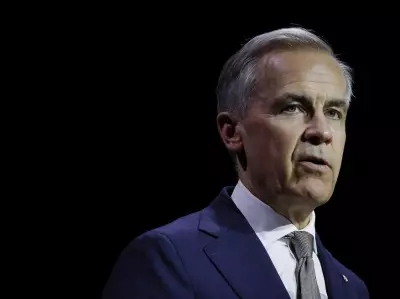
The sanctions are a direct retaliation for a U.S. arms-sale package to Taiwan valued at over $10 billion, which was announced just one week prior. Among the prominent companies listed are Northrop Grumman Systems Corporation, L3Harris Maritime Services, and Boeing's operations in St. Louis. Notably, the sanctions also extend to Palmer Luckey, the founder of defense technology firm Anduril Industries.
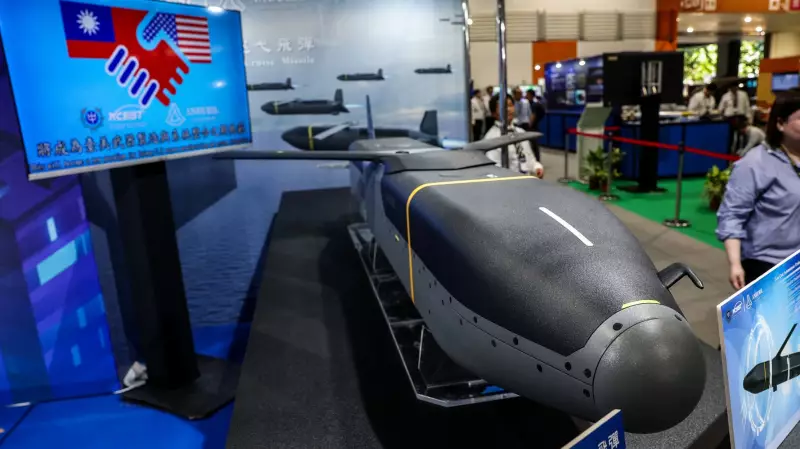
Anduril had recently showcased its jointly developed Barracuda-500 low-cost autonomous cruise missile with Taiwan's NCSIST at the Taipei Aerospace & Defense Technology Exhibition in mid-September 2025. The sanctions mean the named individuals are now banned from entering China and prohibited from conducting business there, with any assets they hold in the country frozen.

Core Interests and a "Red Line"
In a strongly worded statement, the Chinese foreign ministry reiterated its position that Taiwan is an inalienable part of China. "The Taiwan question is at the very core of China’s core interests and the first red line that must not be crossed in China-U.S. relations," the ministry declared. It issued a stark warning: "Any company or individual who engages in arms sales to Taiwan will pay the price for the wrongdoing."
The ministry urged the United States to halt what it termed "the dangerous moves of arming Taiwan." The proposed $10 billion weapons package, which requires approval from the U.S. Congress, would be the largest-ever American sale to the self-ruled island. China asserts that such sales violate longstanding diplomatic agreements between Washington and Beijing.
Escalating Tensions in the Taiwan Strait
This latest development intensifies the already fraught geopolitical standoff over Taiwan, a major flashpoint between the two superpowers. Analysts have long warned that the issue carries a significant risk of military conflict. In recent years, China has dramatically increased military pressure, conducting near-daily drills with warships and fighter jets in the skies and waters surrounding Taiwan.
The U.S. position is guided by the Taiwan Relations Act, a federal law that commits Washington to assist Taiwan with its self-defense—a point of increasing contention with Beijing. The sanctions add another layer of strain to U.S.-China relations, which are already tense due to disputes over trade, technology, and human rights.
The imposition of these sanctions underscores Beijing's determination to use economic and diplomatic tools to punish those it sees as undermining its territorial claims, setting the stage for further friction in one of the world's most critical bilateral relationships.