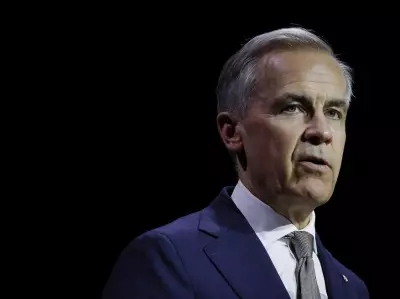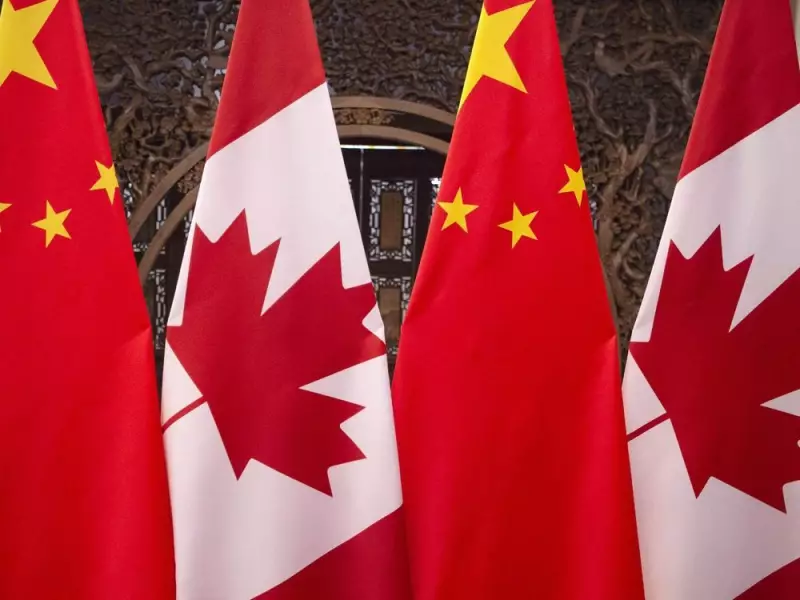
Amidst ongoing debates about international security, Prime Minister Mark Carney has reaffirmed a stark position: the greatest security threat facing Canada is not the United States, but China. This declaration comes even as Carney prepares for a high-stakes diplomatic visit to Beijing next week, highlighting the complex balance between national security and economic interests.
The Official Findings on Foreign Interference
Carney's stance is firmly backed by the official findings of a major national inquiry. The final report from Canada's foreign interference inquiry, led by Justice Marie-Josee Hogue and released a year ago, delivered a conclusive verdict. It identified China as "the most active perpetrator of foreign interference" targeting Canada's democratic institutions.
The Hogue report detailed alarming tactics, stating that the People's Republic of China (PRC) actively targets Chinese Canadian diaspora communities. Its methods include repression, influence campaigns, and efforts to force individuals to return to China. The inquiry found that the PRC uses a wide range of tools, including leveraging family members still in China, and employs diplomatic missions, students, community organizations, and private individuals to carry out transnational repression.

A History of Diplomatic Tensions
The relationship between Ottawa and Beijing hit a historic low point in 2018, an event that remains a painful chapter in bilateral relations. In what was widely seen as retaliatory action, China detained two Canadian citizens, Michael Kovrig and Michael Spavor. Their imprisonment followed Canada's arrest of Huawei executive Meng Wanzhou in Vancouver on a U.S. extradition request. The two Michaels were held for nearly three years before their release, an episode that underscored the severe geopolitical risks.
The Economic Balancing Act
Despite these security concerns, economic pragmatism is driving re-engagement. Prime Minister Carney is scheduled to meet with Chinese President Xi Jinping in a bid to repair strained diplomatic and business ties. This move is a key part of Carney's broader economic strategy to double Canada's non-U.S. exports over the next decade, aiming to generate an additional $300 billion in trade and reduce reliance on the American market.
However, the economic reality is clear. The United States remains Canada's dominant trading partner, historically accounting for about 75% of all exports. That share has recently dipped to approximately 67%, partly due to U.S. tariffs, but the cross-border relationship is still paramount.
Security "Guardrails" and Unfinished Business
The central challenge for the government is keeping Canadians safe while pursuing increased trade with a nation it labels its top security threat. Carney has proposed addressing this by establishing clear "guardrails" around cooperation with China. These boundaries would exclude sensitive sectors like artificial intelligence, critical minerals, and defence from collaborative ventures.
Yet, this strategy raises critical questions about domestic preparedness. Critics point out that the Liberal government has yet to implement a functional foreign lobbyists' registry—a key transparency measure recommended to protect national interests. The government has stated it has been "actively considering" such a registry for five years, but it remains unfulfilled.
As Prime Minister Carney heads to Beijing, the dual mandate is evident: to secure economic opportunities for Canada while unequivocally prioritizing the safety and security of Canadians from foreign threats, a duty described as the federal government's most important function. The success of this delicate mission will depend on both firm diplomatic resolve and robust domestic safeguards.