Ceasefire on Shaky Ground as Israel Intensifies Strikes in Lebanon
The fragile two-week ceasefire in the Middle East is teetering on the brink of collapse, with Israel escalating deadly airstrikes in Lebanon and Iran retaliating by blocking the strategic Strait of Hormuz. Conflicting interpretations of the ceasefire terms have plunged the region into renewed violence, raising fears of a broader regional conflict.
Escalating Violence and Civilian Casualties
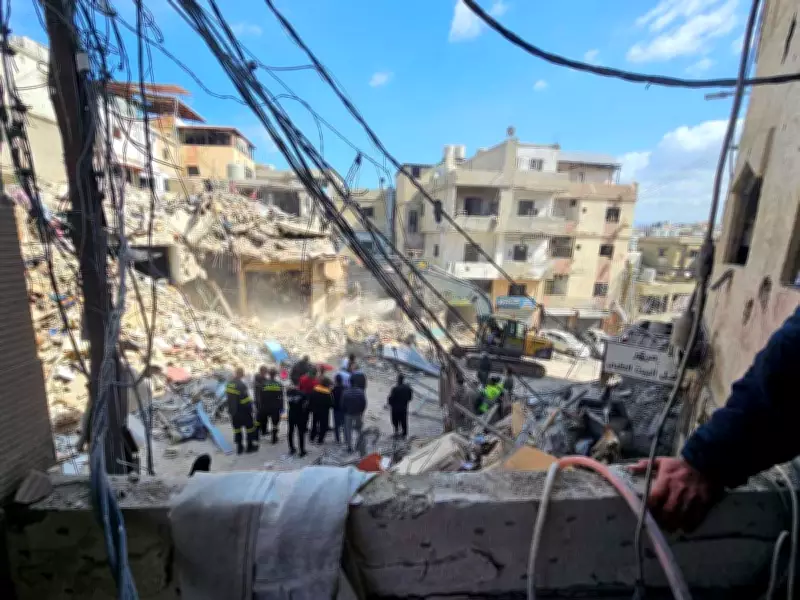
Israel has insisted that the ceasefire agreement does not apply to its military operations against Iran-backed Hezbollah militants in Lebanon. On Wednesday, Israeli forces launched widespread airstrikes across central Beirut and other areas, resulting in at least 203 fatalities and over 1,000 injuries, according to Lebanon’s health ministry. This marks the highest single-day death toll in Lebanon since the conflict reignited over five weeks ago.
The Israeli military stated it targeted Hezbollah sites, but many strikes hit densely populated commercial and residential zones during rush hour, leading to significant civilian casualties. Lebanese President Joseph Aoun condemned the attacks as barbaric, while Israel claimed it killed an aide to Hezbollah leader Naim Kassem in the capital. In response, Lebanon has declared Thursday a national day of mourning.

Iran’s Retaliation and Diplomatic Maneuvers
Iran has accused Israel of breaching the ceasefire and has closed the Strait of Hormuz, a critical global oil shipping lane. Deputy Foreign Minister Saeed Khatibzadeh told the BBC that Iran will only reopen the strait in accordance with international norms and international law once the United States ends its aggression in the Middle East and Israel halts attacks on Lebanon. He emphasized that energy security is pivotal for Iran and the region, signaling a firm stance against perceived violations.
In a related development, Iran’s ambassador to Pakistan deleted a social media post indicating that an Iranian delegation was heading to Islamabad for peace talks with the U.S., though the reason for the deletion remains unclear. The White House confirmed that a U.S. delegation, led by Vice President JD Vance and including special envoy Steve Witkoff and Jared Kushner, is set for negotiations, highlighting ongoing diplomatic efforts amid the turmoil.
International Reactions and U.S. Involvement
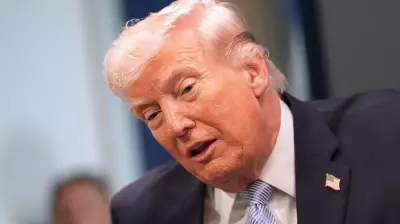
The White House has sided with Israel, supporting its position that the ceasefire does not cover Lebanon. Meanwhile, Pakistan, which helped broker the initial agreement, asserts that Lebanon was included in the deal, adding to the diplomatic confusion. U.S. President Donald Trump reinforced American military presence, stating in a social media post that all U.S. ships, aircraft, and personnel will remain in place in, and around, Iran, until such time as the REAL AGREEMENT reached is fully complied with.
As tensions mount, Hezbollah has claimed rocket attacks on northern Israel, with sirens sounding early Thursday. The situation remains volatile, with the ceasefire’s future hanging in the balance and the risk of further escalation looming large over the Middle East.