Canada Officially Meets NATO Defense Spending Commitment
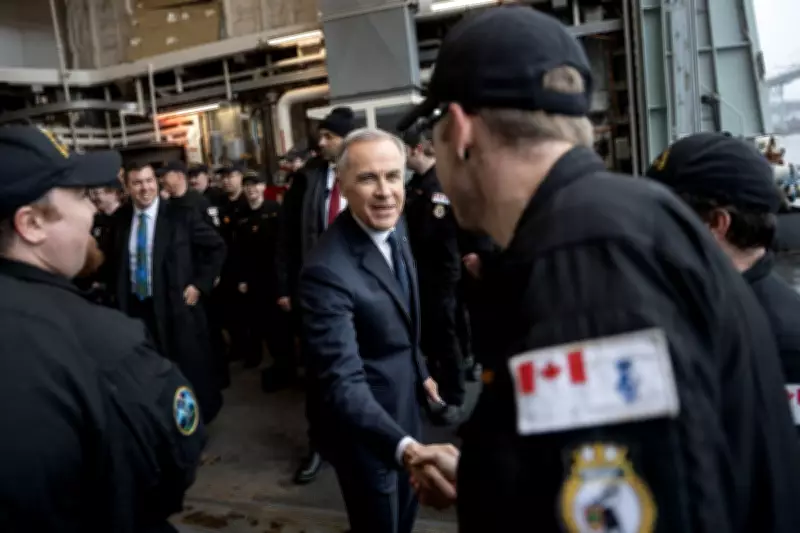
In a significant move for national security, Canada has officially reached its NATO defense spending target, committing 2% of its Gross Domestic Product (GDP) to military expenditures. This achievement comes as part of a broader $3 billion defense spending package announced by the Prime Minister, marking a pivotal shift in the country's defense strategy.
A Strategic Response to Global Changes
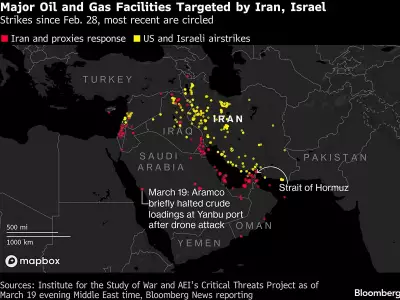
Prime Minister Carney emphasized the necessity of this investment, stating, "The world has changed and Canada must change with it." This statement underscores the evolving global security landscape, including factors like soaring oil prices amid conflicts in the Middle East, which have influenced economic and defense priorities. The Prime Minister highlighted that reaching this target required focused priorities and follow-through, reflecting a commitment to bolstering Canada's military capabilities.
Details of the $3 Billion Defense Package
The $3 billion investment is designed to enhance various aspects of Canada's defense infrastructure. While specific allocations are still being detailed, the package aims to modernize equipment, improve training, and strengthen operational readiness. Former defense ministers have weighed in on Canada's ability to effectively utilize these investments, suggesting that strategic planning will be crucial to maximize impact.

Key components of the spending include:
- Upgrades to military hardware and technology.
- Increased funding for personnel training and welfare.
- Support for international peacekeeping and NATO missions.
Debating the Sufficiency of the 2% Target
While hitting the 2% GDP target is a milestone, questions remain about whether it is enough to protect Canada's sovereignty in an increasingly unstable world. Experts argue that beyond meeting numerical goals, the effectiveness of spending—such as investing in cybersecurity, Arctic defense, and rapid response units—will determine Canada's security posture. The debate continues as policymakers assess long-term needs against current commitments.
Broader Political and Economic Context
This defense announcement coincides with other political developments, such as Ontario's 2026 budget release and Alberta's NDP warnings about gerrymandering. However, the focus on NATO spending highlights a federal priority to align with international allies. The move also reflects broader economic indicators, including fluctuations in oil prices and trade dynamics, which impact defense budgeting.
In summary, Canada's achievement of the NATO defense spending target through a $3 billion package represents a strategic adaptation to global challenges. As the Prime Minister noted, this shift is essential for maintaining sovereignty and contributing to collective security efforts.