In a landmark decision that marks the culmination of a protracted and passionate campaign, the Government of Canada has formally recognized Gulf War Illness as a legitimate medical condition affecting veterans of the 1990-1991 conflict. The announcement, made on December 18, 2025, represents a significant policy shift and a hard-won victory for those who have lobbied for decades for official acknowledgment of their suffering.
A Long-Awaited Victory for Veterans
The formal recognition follows years of dedicated advocacy by Canadian veterans who served in the Gulf War. Many returned home with a complex array of chronic symptoms—including severe fatigue, joint pain, cognitive issues, and gastrointestinal problems—that were often poorly understood or dismissed. For over thirty years, these veterans and their supporters have fought to have their debilitating condition, commonly referred to as Gulf War Illness or Gulf War Syndrome, officially recognized by the federal government and the medical establishment.
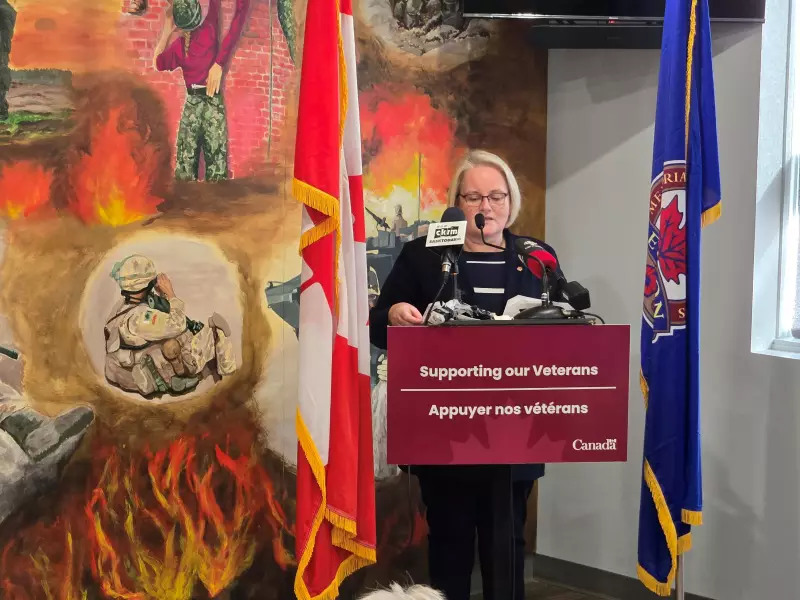
The announcement was delivered by Jill McKnight, the Minister of Veterans Affairs and Associate Minister of National Defence. While the specific details of the accompanying support measures were part of a broader funding announcement in Regina, the core message was unequivocal: Canada now formally acknowledges the existence of Gulf War Illness and its direct connection to military service in that theatre of operations.

The Path to Recognition and Its Implications
This pivotal move aligns Canada with other nations, like the United States, which recognized the condition years earlier. The delay in recognition had been a source of profound frustration for the veteran community, complicating their access to appropriate healthcare, disability benefits, and peer support through Veterans Affairs Canada.
The formal recognition is expected to have several immediate and long-term consequences:
- Streamlined Access to Benefits: Veterans suffering from the recognized symptoms should encounter fewer bureaucratic hurdles when applying for disability benefits and medical support.
- Validation and Legacy: It provides long-overdue validation to thousands of veterans and their families, affirming that their suffering is real and service-related.
- Research Direction: It paves the way for targeted government funding and support for scientific research into the causes, mechanisms, and potential treatments for Gulf War Illness.
Looking Forward: Support and Next Steps
While the announcement of recognition is a monumental step, the veteran community and advocates will now be closely watching for the concrete actions that follow. The focus will shift to the implementation of the support framework promised by Minister McKnight. Key questions remain about the specific medical protocols that will be established, the process for adjudicating claims, and the level of ongoing financial and healthcare support that will be made available to affected veterans.
The decision on December 18, 2025, closes a difficult chapter of advocacy but opens a new one focused on care, compensation, and continued research. It stands as a testament to the perseverance of Canada's Gulf War veterans and a commitment to fulfilling the nation's obligation to those who served.