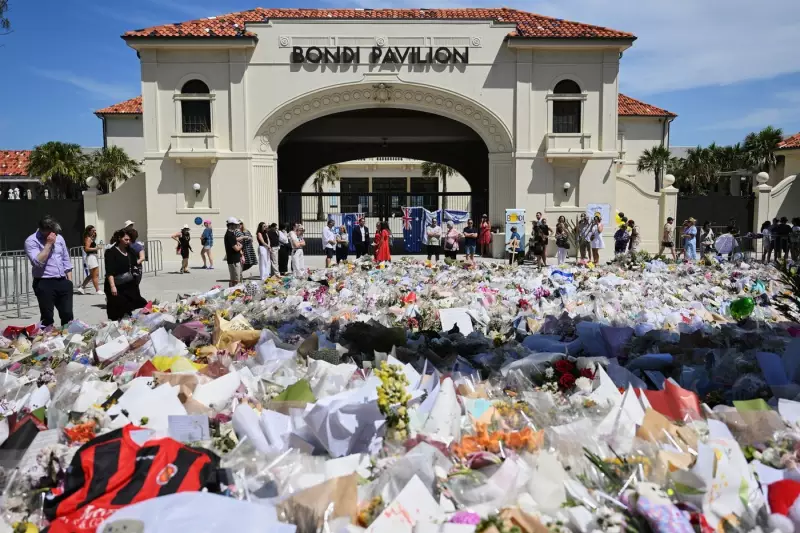
In the wake of a deadly shooting at Bondi Beach, authorities in the Australian state of New South Wales are moving to introduce stricter legislation targeting the public display of symbols associated with extremist ideologies.
Legislative Response to Tragedy
The proposed legal changes come directly as a response to the violent incident that unfolded in Sydney on December 18, 2025. The attack, which occurred in the bustling Bondi area, shocked the nation and prompted immediate calls for action to curb the visibility of extremist propaganda.
While specific details of the bill are still being finalized, the core objective is clear: to criminalize the public exhibition of flags, banners, and insignia linked to prescribed terrorist organizations and violent extremist movements. The laws aim to remove these potent symbols from public spaces, both in physical form and potentially in digital displays intended to intimidate or recruit.

Context of the Bondi Incident
The push for new legislation is anchored in the tragic events at Bondi Beach. On that day, floral tributes began accumulating outside the Bondi Pavilion, a somber marker of the violence that had taken place. The attack has been a catalyst for a broader discussion on public safety and the tools available to law enforcement to prevent the glorification of extremist acts.
The proposed laws would empower police to take action against individuals or groups who deliberately display these symbols to incite fear or demonstrate allegiance to banned ideologies. This move aligns with similar measures considered in other jurisdictions globally, aiming to strip extremism of its visible branding.
Broader Implications and Next Steps
The announcement signals a hardening of the state's approach to combating terrorism and its supporting elements. By targeting the public display of flags, lawmakers hope to disrupt a key method of communication and radicalization used by extremist networks.
The development in New South Wales is being closely watched by other Australian states and federal authorities. It represents a significant step in the ongoing effort to adapt legal frameworks to the evolving challenges of domestic security and counter-terrorism in the modern era. The bill is expected to be presented to the state parliament in the coming months, where it will undergo debate and scrutiny.