Afghanistan Launches Military Operation After Pakistan Air Strikes
Tensions between Afghanistan and Pakistan have escalated dramatically as Afghanistan launched a large-scale military operation along their shared border, specifically targeting Pakistan army centers. This development comes as a direct response to recent air strikes conducted by Pakistan, marking a significant deterioration in relations between the two neighboring nations.
Official Statements from Both Sides
The Taliban government's spokesperson, Zabihullah Mujahid, stated in a post on social media platform X that this military action was in response to "repeated border violations and provocations from Pakistani military circles." Kabul had previously warned earlier this week that it would respond to Pakistan's air strikes, which had targeted multiple provinces within Afghanistan.
In response, Pakistan's information minister Attaullah Tarar confirmed in his own social media post that Pakistan has retaliated against the firing, claiming that 36 members of the Afghan Taliban were killed in the exchange, while two Pakistan army soldiers also lost their lives. Several others were reported injured in the cross-border conflict.

Background of Rising Tensions
The current military escalation follows months of heightened tensions between Islamabad and Kabul. Pakistan has repeatedly accused the Taliban government of hosting militant groups that plan and execute attacks within Pakistan's borders, allegations that Kabul has consistently denied.
The situation has been further complicated by the failure of both nations to extend a truce that was originally brokered by Qatar and Turkey in October of last year. This breakdown in diplomatic efforts has occurred against the backdrop of Pakistan experiencing its deadliest year of violence in a decade, with insurgent attacks claiming 3,967 lives nationwide in 2025 alone.
Analyst Perspective on the Conflict
Pearl Pandya, senior analyst for South Asia at Armed Conflict Location & Event Data, a nonprofit organization that tracks political unrest globally, provided insight into the complex dynamics at play. "Pakistan has struggled to control the rising militancy on its own, as the porous border with Afghanistan provides the militants with a safe haven to retreat to in the face of military pressure," Pandya explained.
The analyst further noted that the Afghan Taliban appears unwilling to seriously crack down on Tehreek-i-Taliban Pakistan, the militant group operating in Pakistan's border regions. This reluctance has contributed significantly to the current escalation of hostilities between the two nations.
Humanitarian Impact
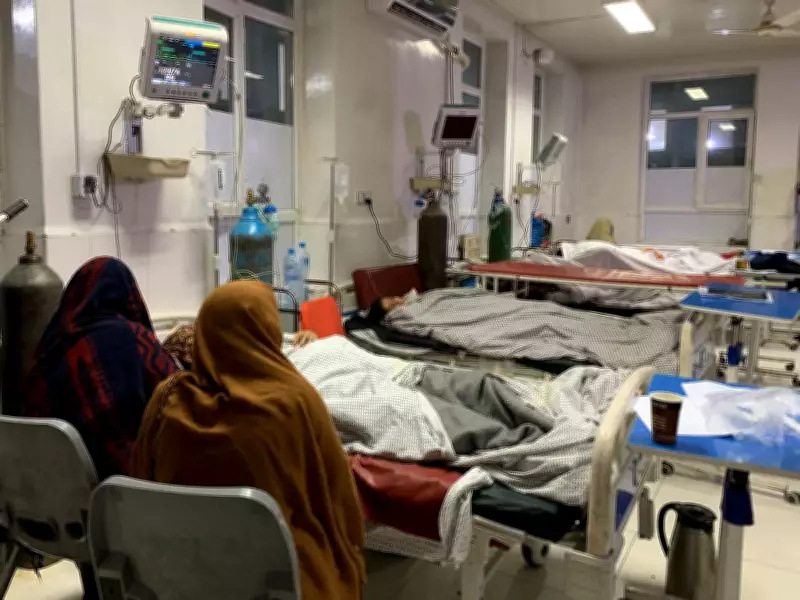
The conflict has already resulted in civilian casualties, with reports indicating that wounded Afghan women received treatment at a hospital in Jalalabad after a Pakistani mortar shell hit a camp for people returning from Pakistan. This incident underscores the broader humanitarian consequences of the military escalation along the Afghanistan-Pakistan border.
As both nations continue their military posturing and exchange fire across the border, the international community watches with concern, recognizing that this conflict has the potential to destabilize an already volatile region. The failure of diplomatic efforts to maintain the previously brokered truce suggests that tensions may continue to escalate in the coming days and weeks.