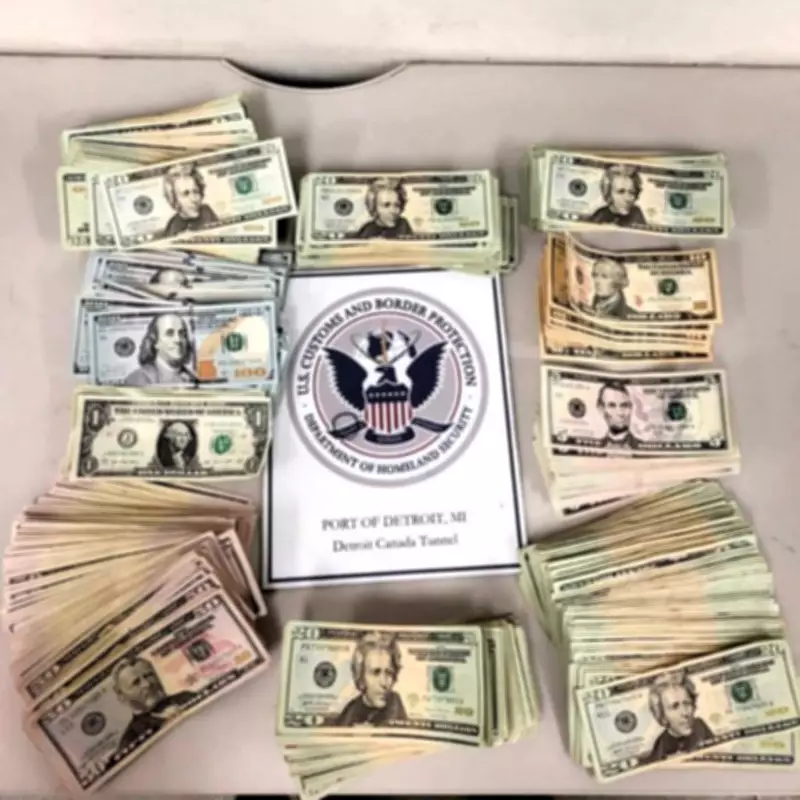
U.S. Border Agents Intercept $37,000 in Undeclared Cash at Windsor-Detroit Crossing
In a significant border security incident, U.S. Customs and Border Protection (CBP) officers have seized $37,000 in undeclared cash at the Windsor-Detroit Tunnel. The interception occurred during routine inspections, underscoring the vigilance of border authorities in monitoring currency movements across this critical international crossing.
Details of the Cash Seizure Operation
The cash was discovered by CBP agents conducting standard enforcement operations at the tunnel, which serves as a major conduit for travel and trade between Ontario, Canada, and Michigan, United States. According to officials, the money was not declared as required by U.S. federal regulations, which mandate that travelers report any currency amounts exceeding $10,000 when entering or leaving the country.
This seizure highlights the ongoing efforts by border agencies to combat illicit financial activities, including money laundering and smuggling. The Windsor-Detroit Tunnel, as one of the busiest border crossings in North America, is frequently monitored for compliance with currency reporting laws.

Legal and Regulatory Framework for Currency Reporting
Travelers crossing the U.S.-Canada border must adhere to strict reporting requirements under the Bank Secrecy Act. Failure to declare cash or monetary instruments over $10,000 can result in seizure of the funds, civil penalties, and potential criminal charges. CBP emphasizes that these measures are in place to prevent illegal activities and ensure transparency in international financial transactions.
The $37,000 seizure serves as a reminder for all travelers to comply with these regulations, regardless of the purpose of their journey. Border officials note that undeclared cash seizures are not uncommon, with similar incidents periodically occurring at various ports of entry.
Broader Context of Border Security and Enforcement
This incident occurs amid heightened border security measures and ongoing cooperation between U.S. and Canadian authorities. The Windsor-Detroit Tunnel, along with the nearby Ambassador Bridge, is a focal point for enforcement actions targeting contraband, including drugs, weapons, and unreported currency.
CBP has not released specific details about the individuals involved in this case or the intended use of the cash, citing ongoing investigations. However, such seizures typically involve further scrutiny to determine if the funds are linked to criminal enterprises or are simply the result of oversight by travelers.
Implications for Travelers and the Public
For the general public, this seizure underscores the importance of understanding and following cross-border financial rules. Travelers are advised to:
- Declare all currency and monetary instruments over $10,000 to CBP officers.
- Carry documentation for large sums of money to explain their legitimate source and purpose.
- Stay informed about border regulations to avoid penalties and delays.
The $37,000 cash seizure at the Windsor-Detroit Tunnel reflects the proactive stance of U.S. border agencies in enforcing financial laws. As cross-border travel continues to rebound, such incidents highlight the critical role of compliance in maintaining secure and efficient international crossings.