

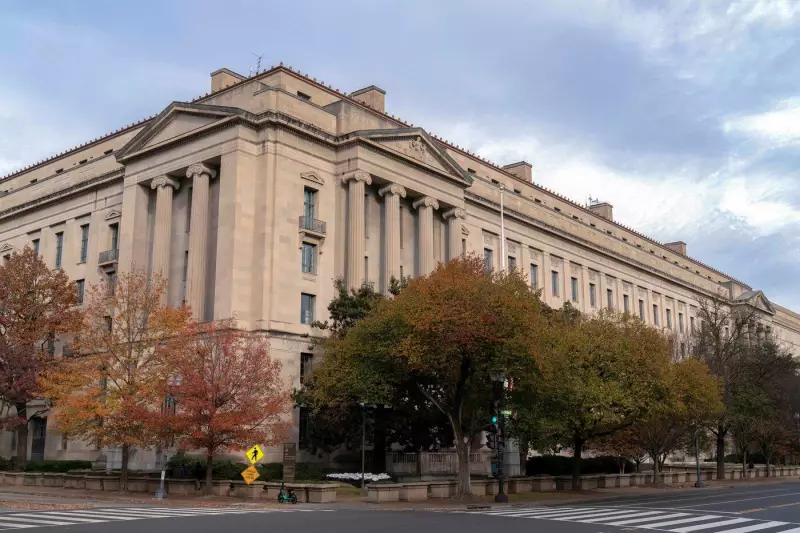
The administration of former President Donald Trump has initiated a significant legal challenge against the capital city of the United States. The U.S. Department of Justice filed a lawsuit against the District of Columbia on December 22, 2025, contesting the constitutionality of several local firearm regulations.
Details of the Federal Legal Challenge
This lawsuit represents a direct confrontation between federal authorities and local governance in Washington, D.C. The legal action, announced in the afternoon of December 22, specifically targets the district's gun control statutes, which are among the strictest in the nation. The Department of Justice, operating from its headquarters in Washington, argues that these local laws infringe upon rights protected under the Second Amendment of the U.S. Constitution.
The filing underscores a continued policy direction from the Trump administration to challenge state and local firearm regulations it deems excessive. This move follows a pattern of federal intervention in matters traditionally left to local jurisdictions, setting the stage for a potentially landmark legal battle that could have implications for gun laws across the country.

Context and Potential Implications
The lawsuit arrives at a time of ongoing national debate over gun rights, public safety, and the limits of local regulatory power. Legal experts anticipate that the case could escalate through the federal court system, possibly reaching the Supreme Court. The outcome may redefine the balance between state-level autonomy to regulate firearms and the federally protected right to bear arms.
For residents and lawmakers in the District of Columbia, this federal lawsuit presents a substantial challenge to their local authority. The district has long defended its stringent gun laws as necessary for public safety in a dense urban environment. The Department of Justice's action forces a legal reckoning on whether these local safety measures can withstand scrutiny under the current interpretation of constitutional rights.
The result of this litigation could establish a powerful precedent, influencing not only the laws in the nation's capital but also providing a legal roadmap for challenging similar regulations in other cities and states. All parties now await the district's formal response to the complaint and the subsequent proceedings in federal court.






