

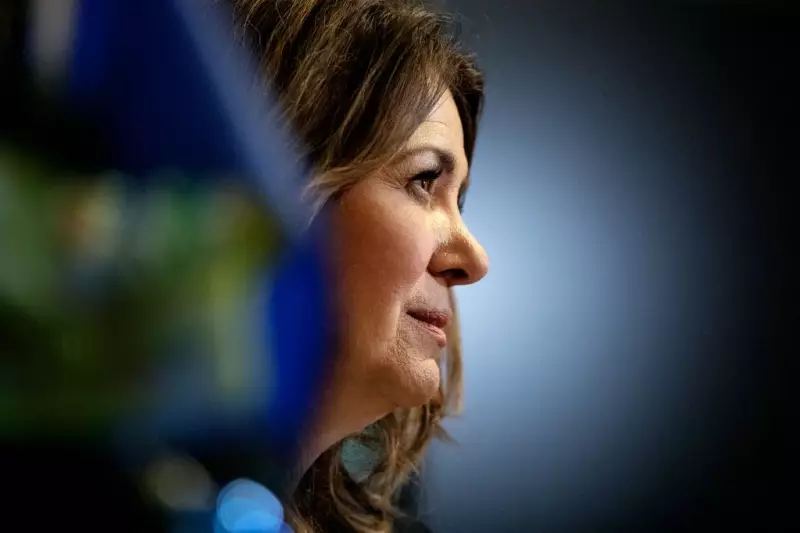
Alberta Premier Danielle Smith has issued a stark warning to the judiciary, stating her government is growing more willing to deploy the Constitution's notwithstanding clause to override court rulings it views as out of step with public interest.
Premier Points to Federal Judicial Appointments
Smith made these comments during a year-end interview with Postmedia on November 27, 2025, at the Alberta Legislature in Edmonton. She expressed skepticism about the alignment of the judiciary with provincial values, noting that most judges are federally appointed.
"Do we have confidence that our judiciary is reflective of the values that we have in our province?" Smith asked. "Because most of our judiciary is appointed by the federal government, and we’ve had 10 years of judges being appointed by Justin Trudeau."

She argued that appointed judges, unlike elected officials, do not face the electorate and suggested ideological influences have seeped into some judgments.
Recent Uses Set a Precedent
The Premier's remarks follow a series of actions where her government has already invoked the controversial constitutional tool. In the three months prior to the interview, the Alberta government used Section 33 of the Canadian Charter of Rights and Freedoms on two major fronts:
- To mandate striking teachers back to work, a move Smith defended as necessary to prevent learning loss for students.
- To shield three laws concerning transgender persons from legal challenges, which the Premier described as "reasonable and evidence-based and also balanced."
Smith indicated these decisions were directly influenced by a need to respond to judicial rulings she believes do not reflect Albertans' values.
A Growing Trend Among Legislatures?
The notwithstanding clause, agreed upon during the Charter's creation in 1982, allows legislatures to override certain Charter rights for renewable five-year periods. Smith suggested its use could become more common if courts continue on their current path.
"If the court is going to continue to go down a certain path, and I think, be unreasonable in some of its judgments, and not be deferential to the decisions and the reasons elected decision makers are making their policy decisions, they should expect that more legislatures are going to use the notwithstanding clause," Smith stated.
She was among several premiers who recently urged the federal government to use the clause after an October Supreme Court of Canada ruling struck down a one-year mandatory minimum sentence for possession and access to child pornography. The court cited potential consequences for teenagers engaged in sexting.
Smith's comments signal a potentially more confrontational approach between Alberta's elected government and the judicial branch, setting the stage for continued constitutional debate in 2026.






