

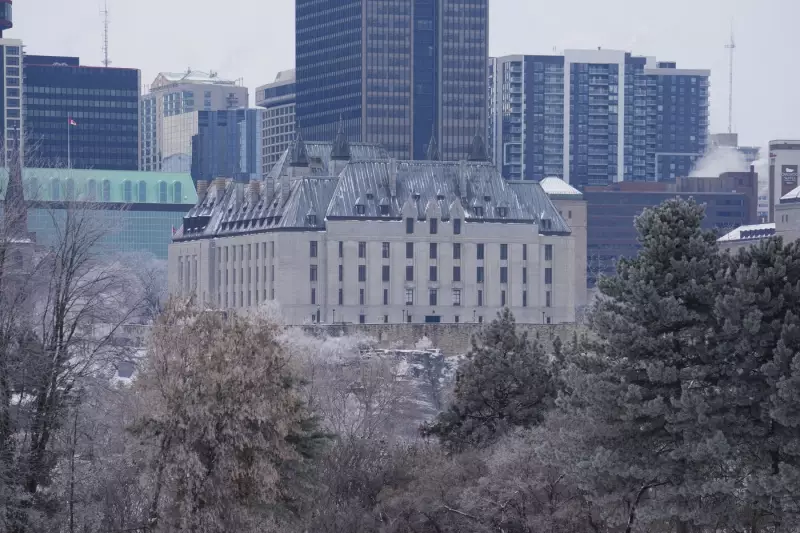
The government of Quebec is preparing to escalate a significant constitutional matter to the nation's highest judicial body. It has announced its intention to ask the Supreme Court of Canada to provide its opinion on proposed changes to the province's electoral map. This move underscores the legal and political complexities surrounding how voting districts are drawn and represented in the National Assembly.
The Core of the Constitutional Question
This request to the Supreme Court centers on the fundamental principles of democratic representation. Redrawing electoral boundaries, a process known as redistribution, is a routine but critically important task that ensures each citizen's vote carries relatively equal weight as populations shift over time. However, the specific changes proposed by Quebec have sparked debate, leading the provincial government to seek the top court's guidance on their constitutionality and alignment with democratic norms.
The decision to involve the Supreme Court highlights the government's desire for a definitive, authoritative ruling that can settle any legal uncertainties. By asking for the court's opinion, Quebec is proactively seeking to ensure its electoral reform process is on solid legal ground, potentially avoiding future challenges after new maps are implemented.

Timeline and National Context
The announcement was made public on December 24, 2025. The government's plan involves formally submitting a reference question to the Supreme Court, a mechanism that allows governments to obtain advisory opinions on important questions of law. This case will join other pivotal national issues on the court's docket.
While the specific details of the contested map changes are not elaborated in the initial report, such processes typically involve balancing representation by population with geographic realities, historical communities, and minority representation. The Supreme Court's eventual opinion will be closely watched not only in Quebec but by constitutional scholars and political observers across Canada, as it may set or reinforce important precedents for how provinces manage their internal democratic structures.
Implications for Quebec's Political Landscape
The outcome of the Supreme Court's deliberation will have direct consequences for Quebec's political future. Electoral boundaries influence the electoral fortunes of political parties and determine which communities are grouped together for representation. A ruling from the highest court will provide a clear legal framework for the Commission de la représentation électorale du Québec and the provincial legislature to finalize the new map.
This step demonstrates a commitment to resolving the issue through established legal channels. It also reflects the profound importance placed on the integrity of the electoral system, which is a cornerstone of any functioning democracy. The Supreme Court's opinion will be the final word, ensuring that any new electoral map in Quebec is implemented with the full backing of constitutional authority.






